Bulguksa Temple (불국사)
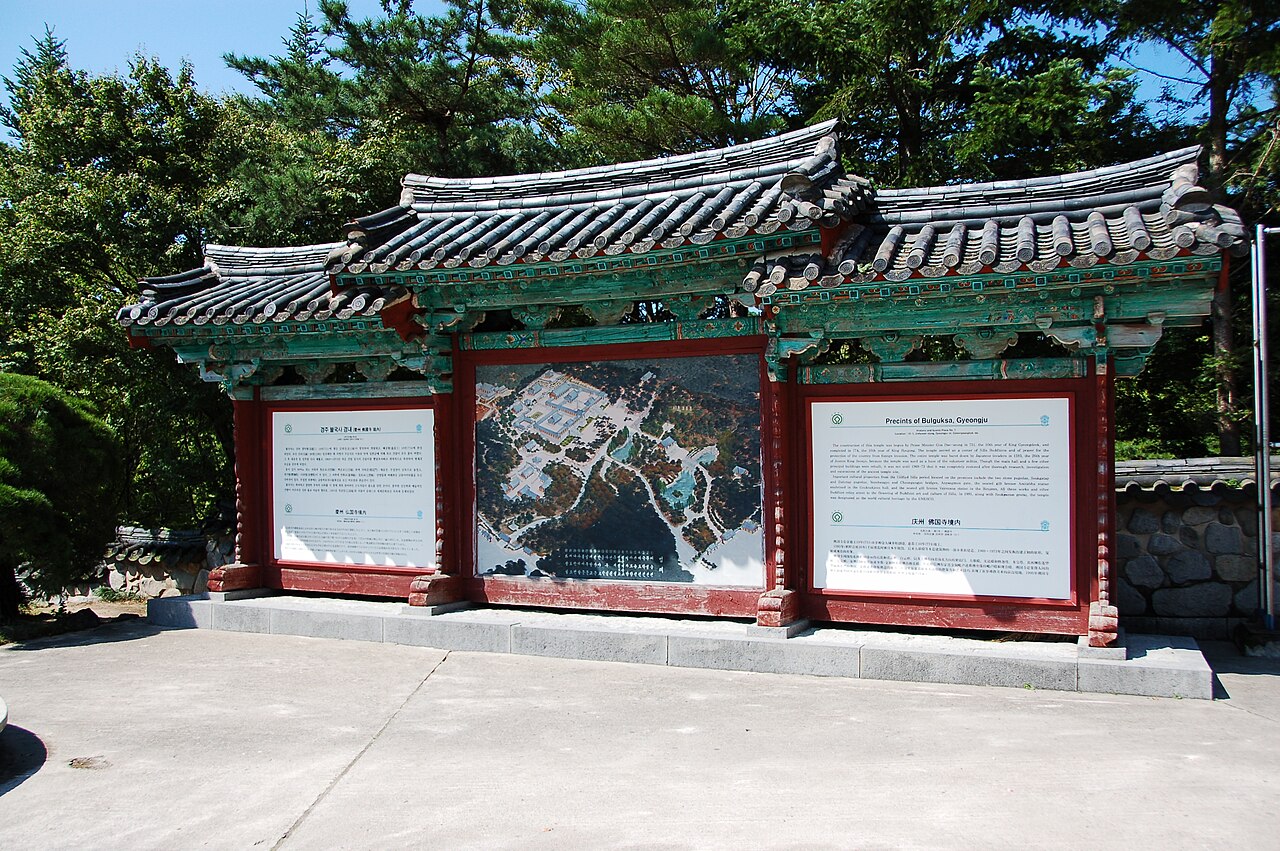
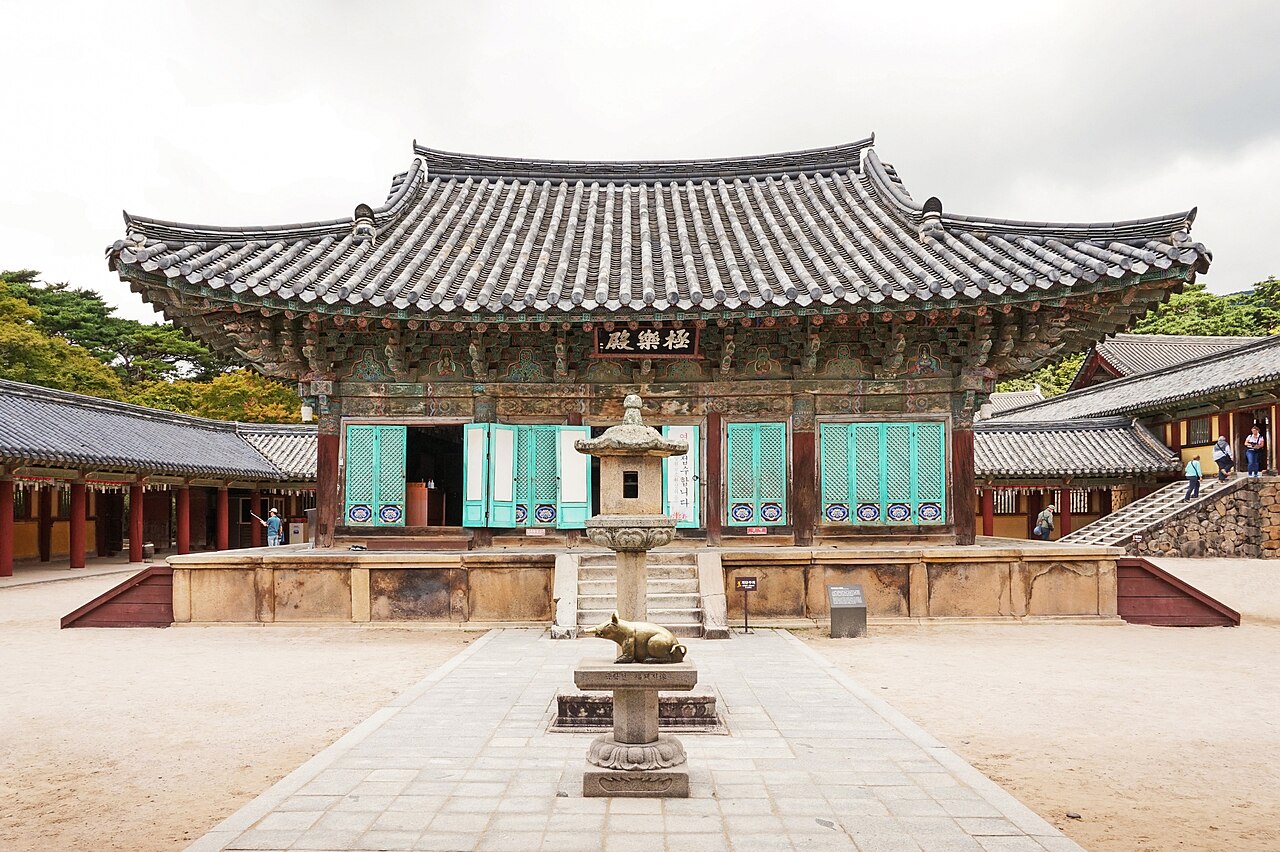
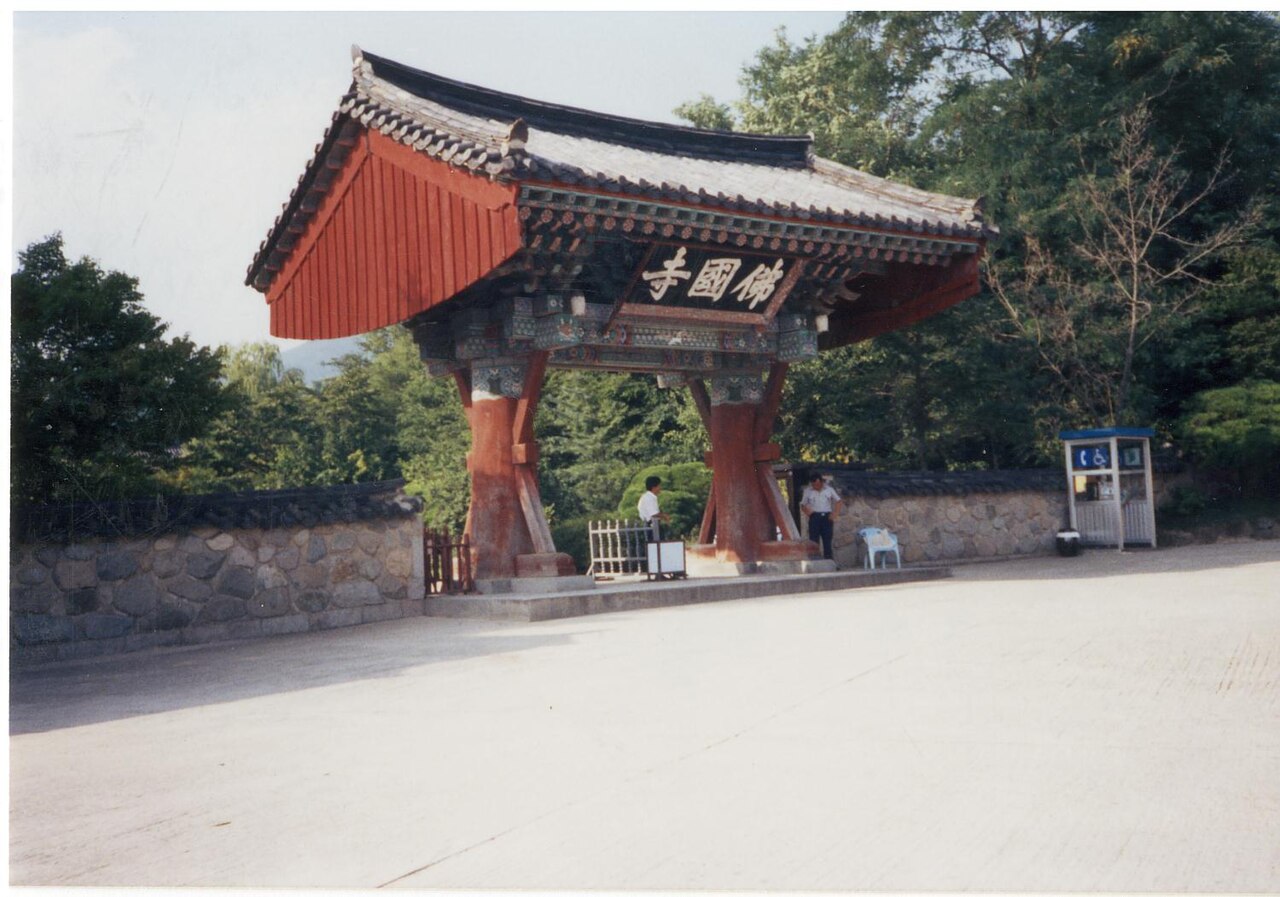
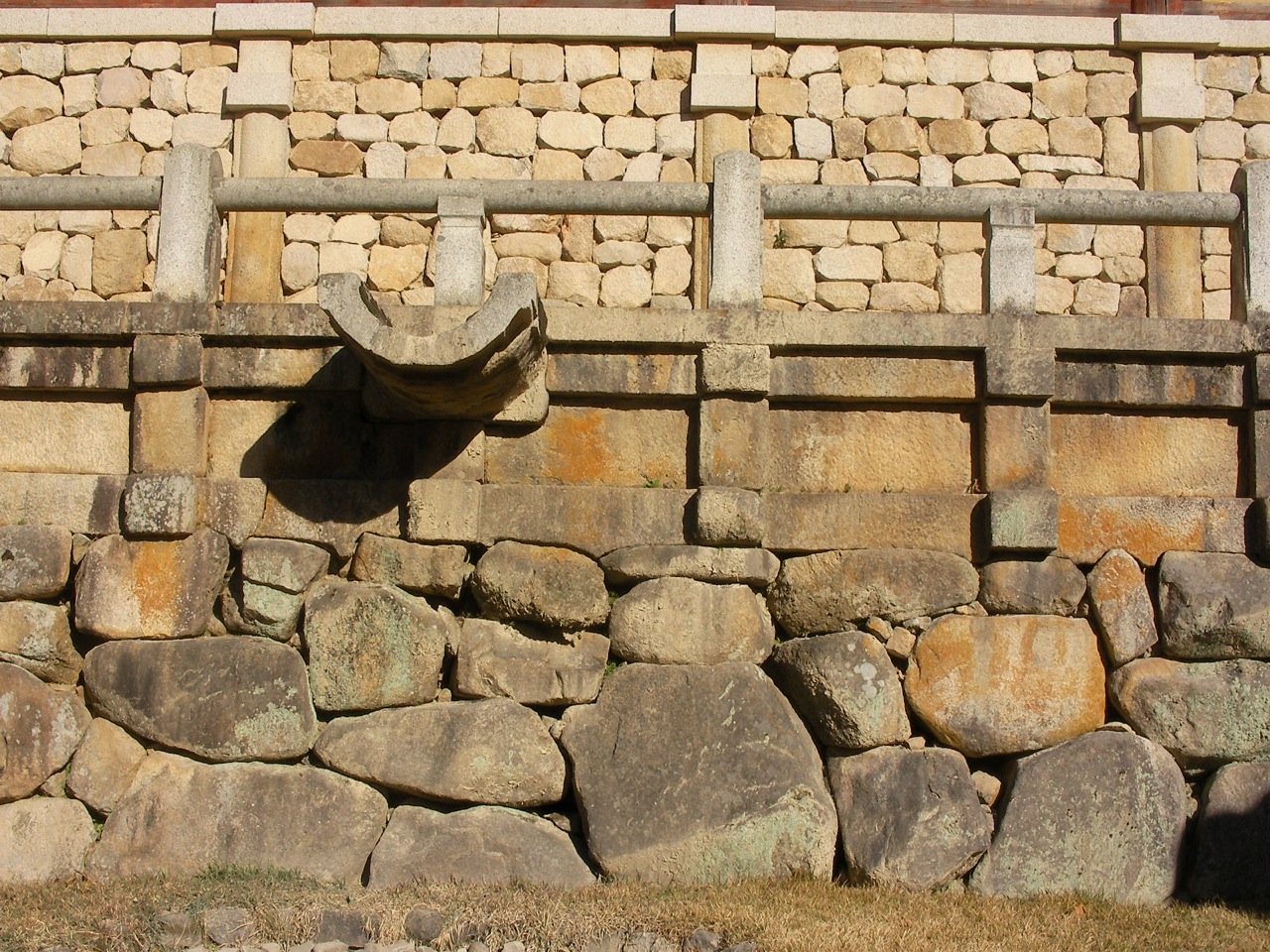
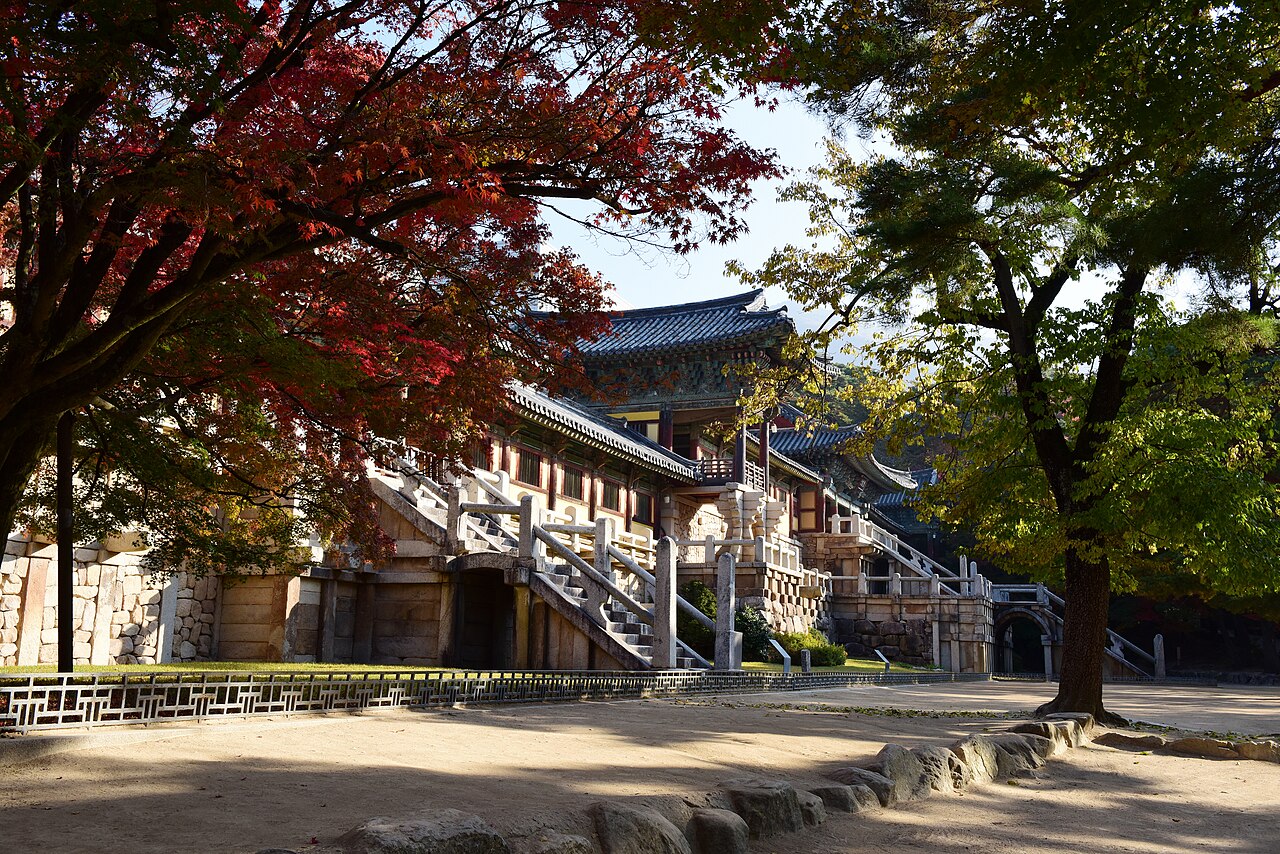
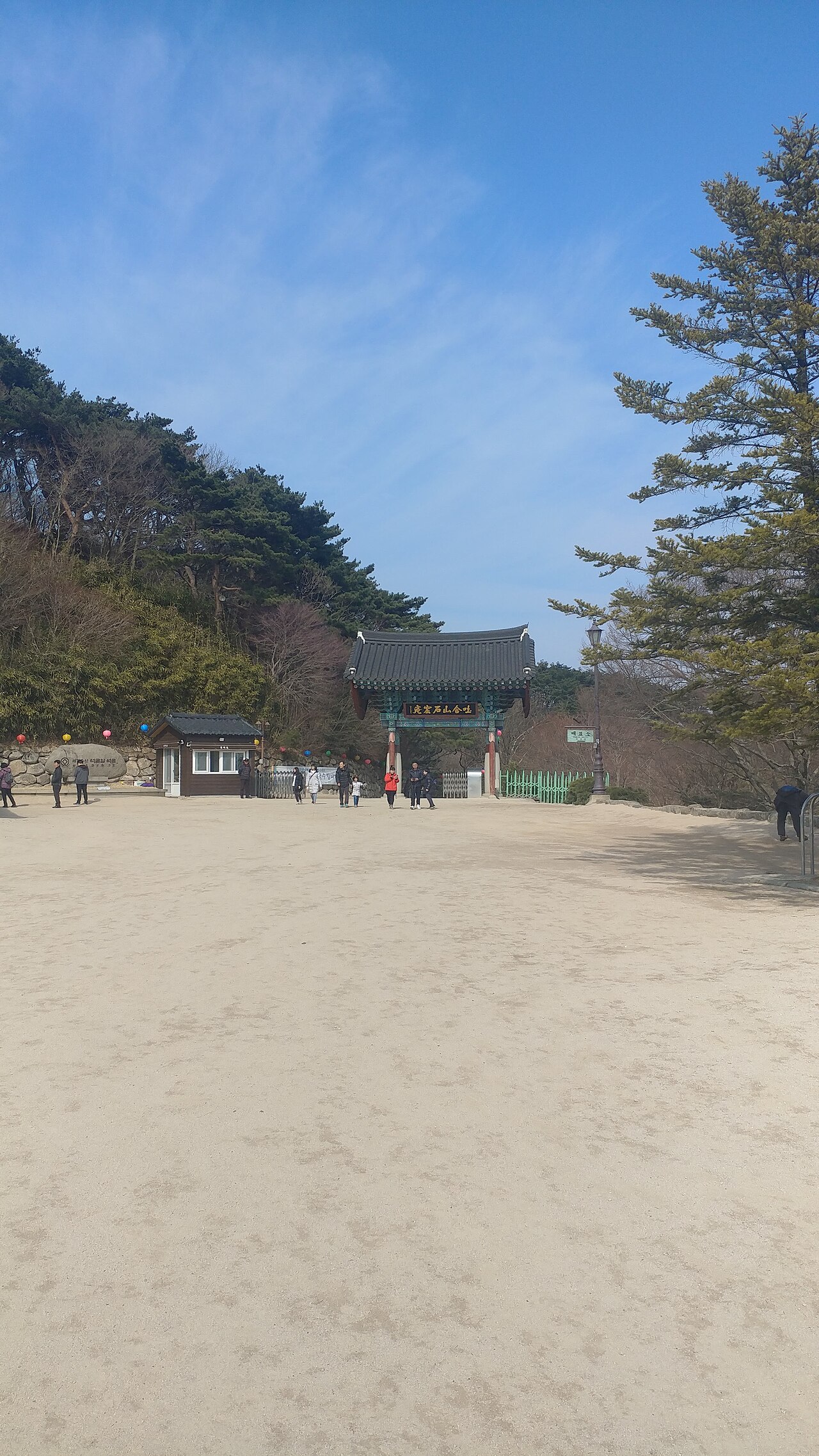
A UNESCO World Heritage site founded in 751, the courtyard in front of Daeungjeon Hall where Seokgatap and Dabotap Pagodas stand facing each other showcases the essence of Korean Buddhist architecture. The beautiful stone stairs of Cheongungyo and Baegungyo and the changing scenery within the grounds make it an essential cultural heritage course in Gyeongju.
Donggung Palace and Wolji Pond (동궁과 월지)
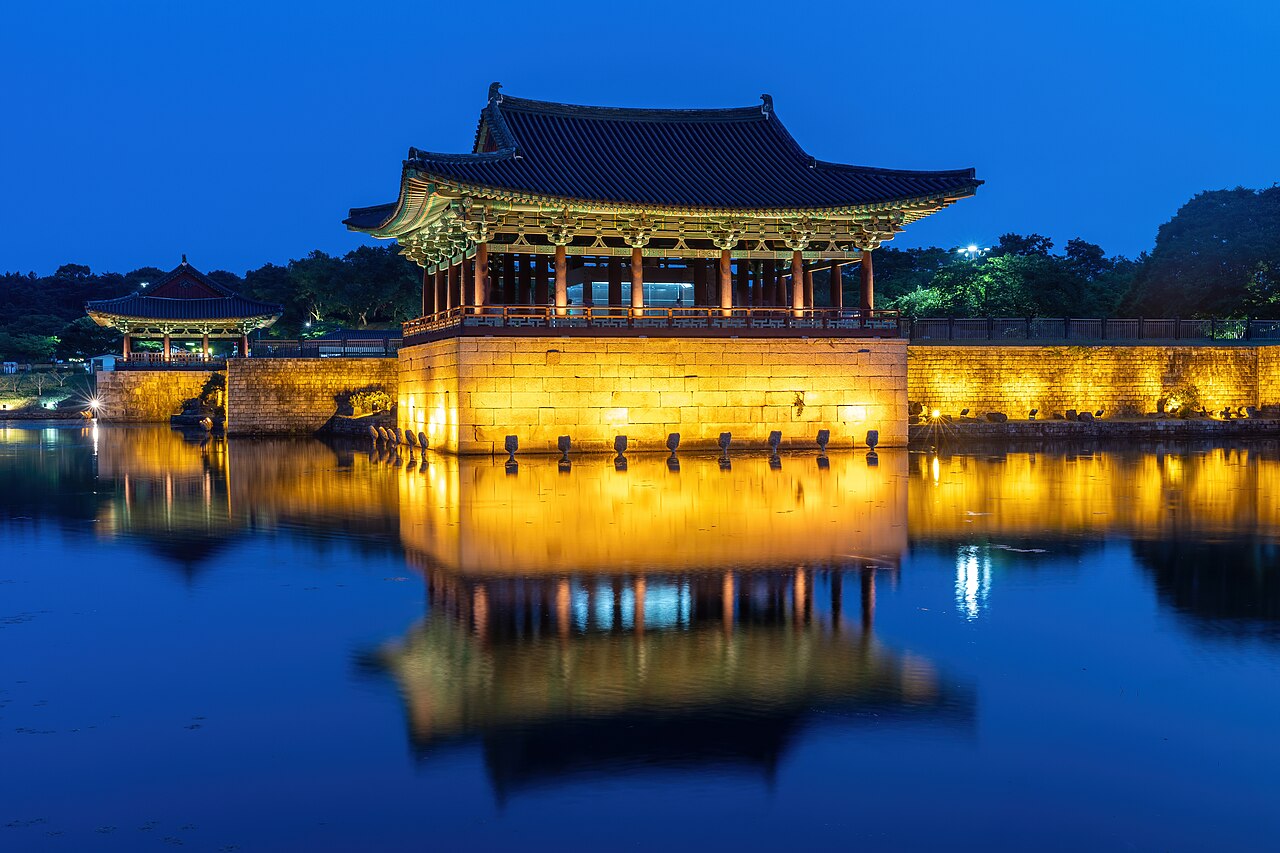
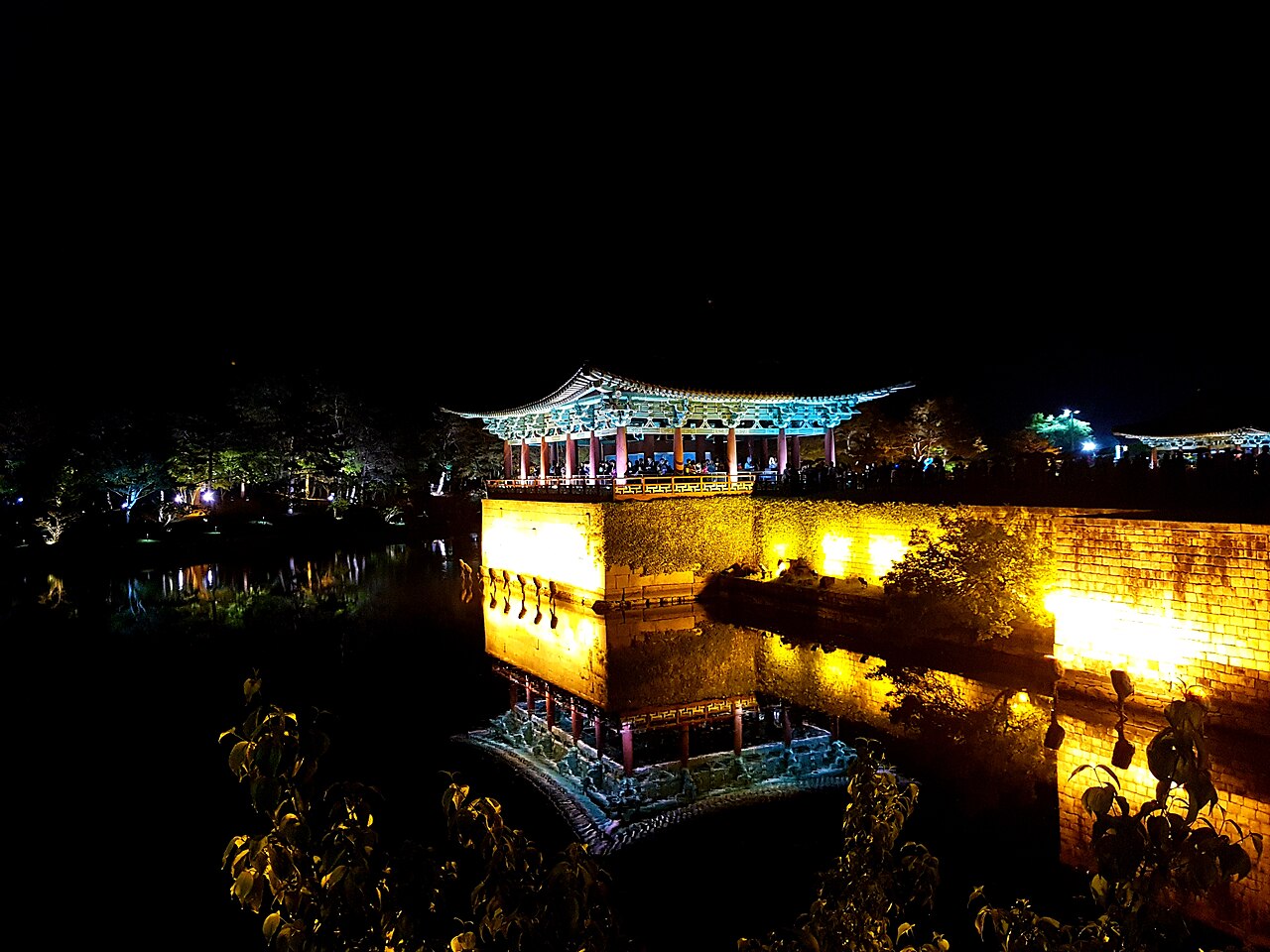
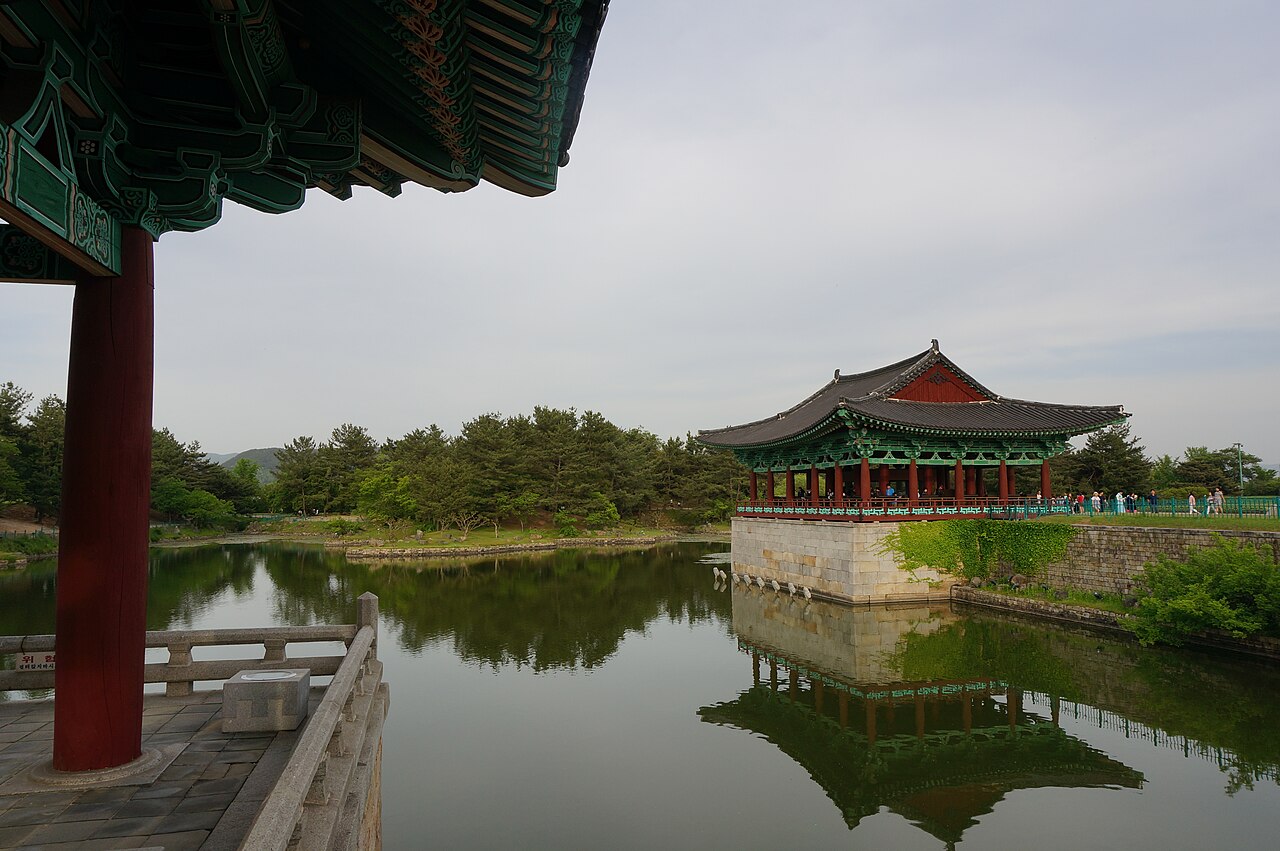
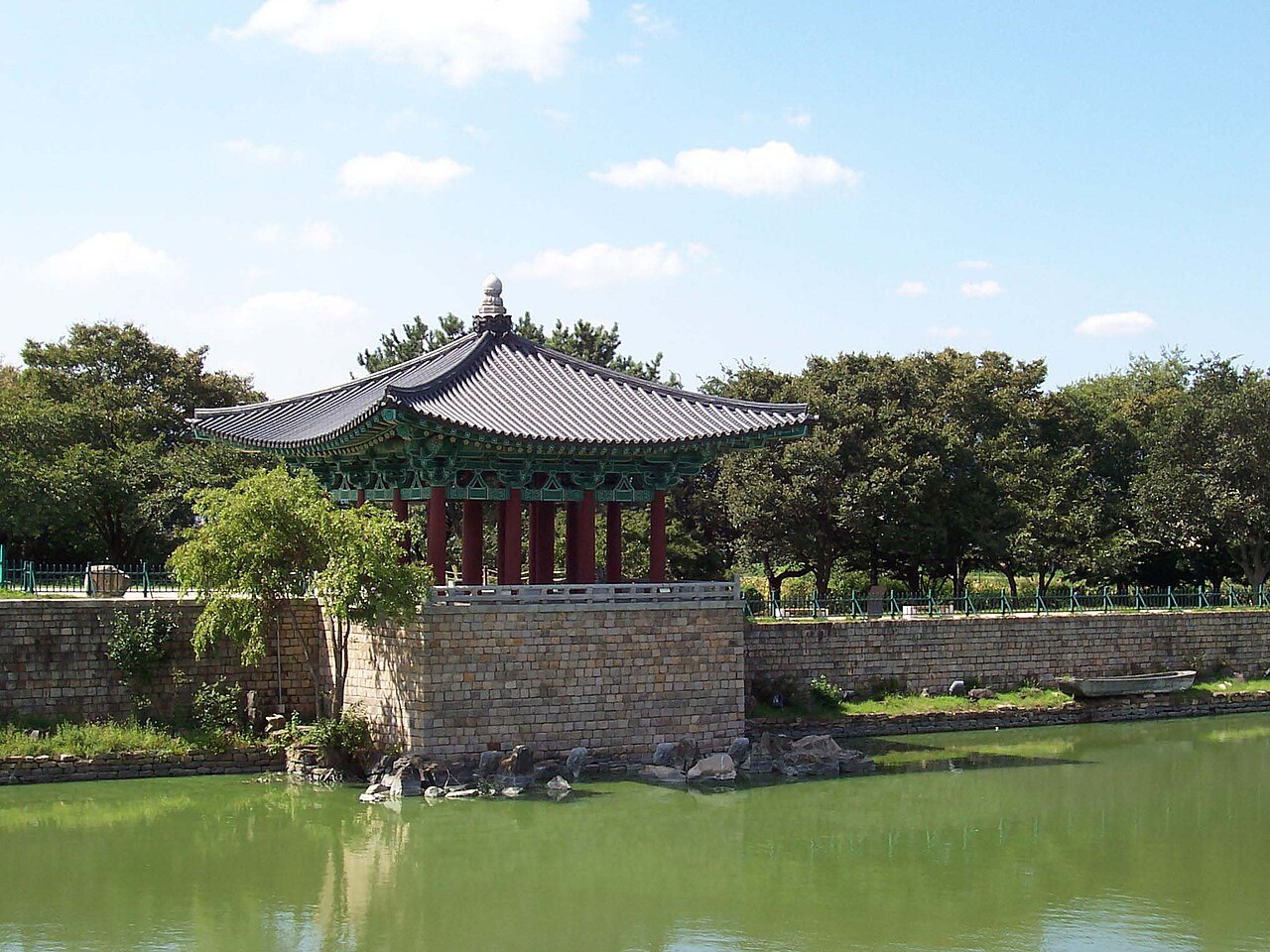
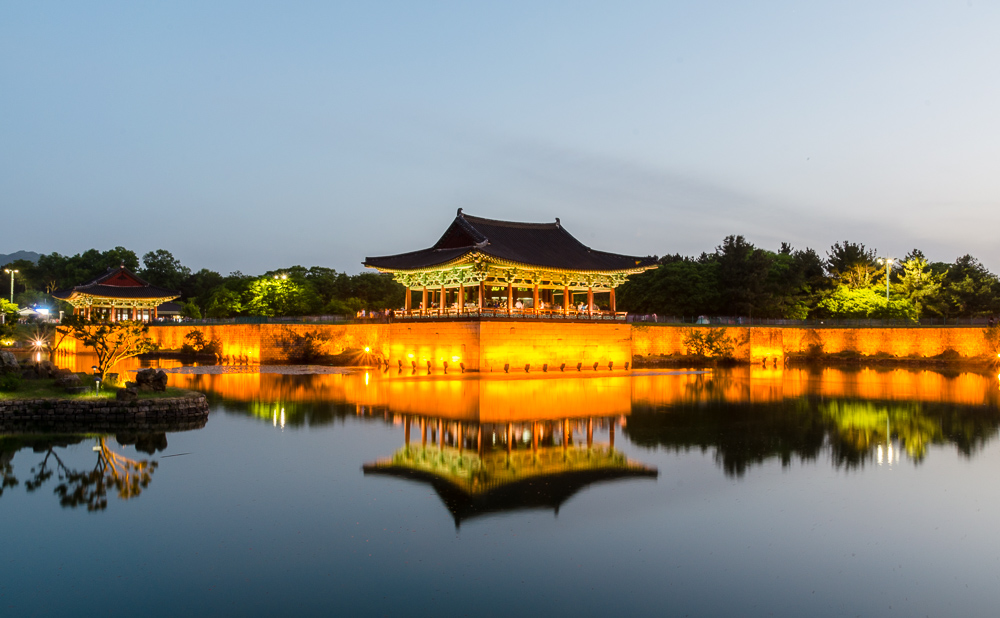
A royal villa pond established in 674 during the Silla Dynasty, formerly known as Anapji. When the lights come on at night, the reflection of the pavilions in the water is the highlight, making it Gyeongju's top night view spot. It is also where many Silla artifacts were unearthed.
Cafe Seolwol (카페 설월)
A representative Hanok cafe on Hwangridan-gil famous for its signature tarts modeled after the Daereungwon tombs. The interior decorated with Silla-inspired props and the view of the tombs over the Hanok roofs allow for a relaxing tea time after walking.
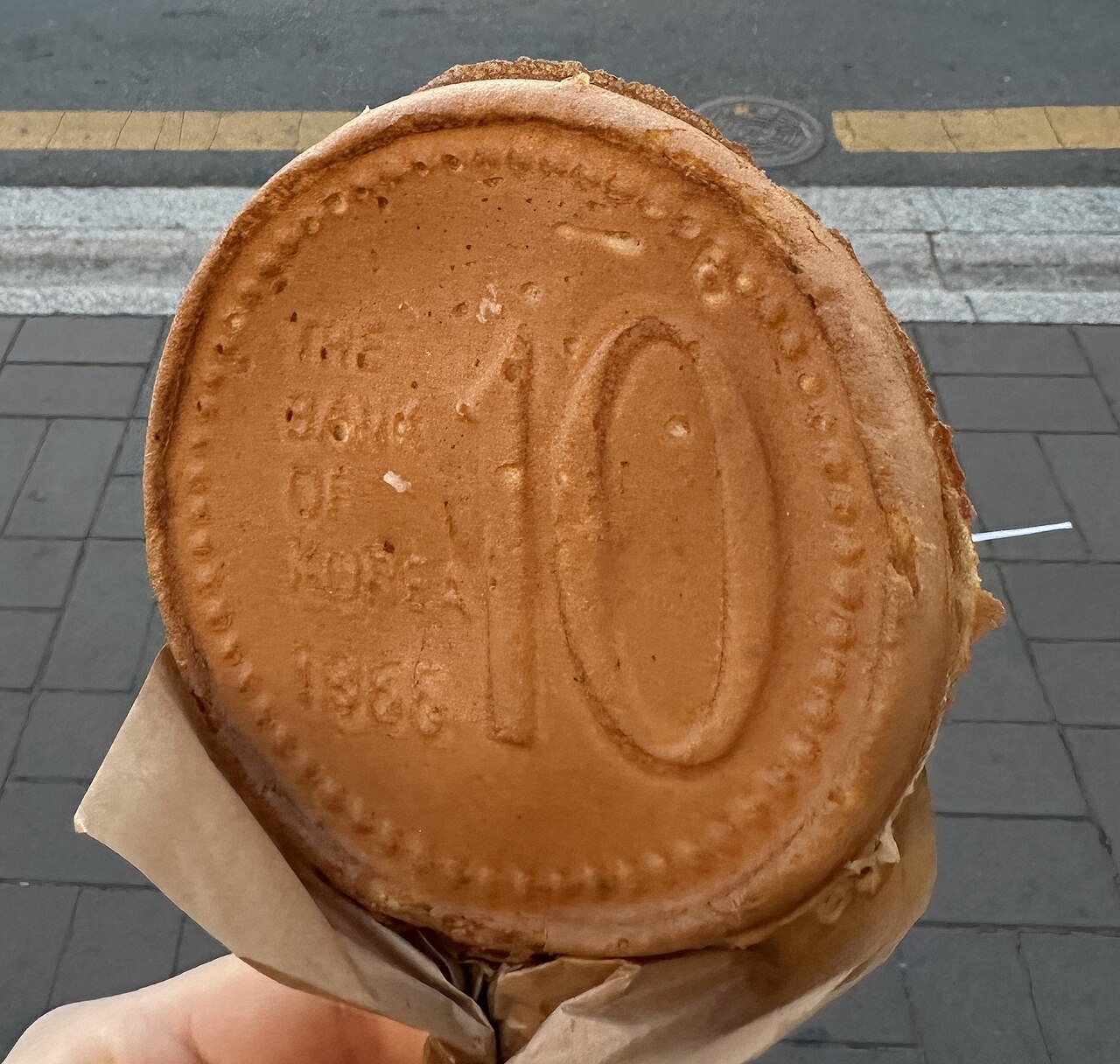
Hwangnam-ppang Main Store (황남빵 본점)
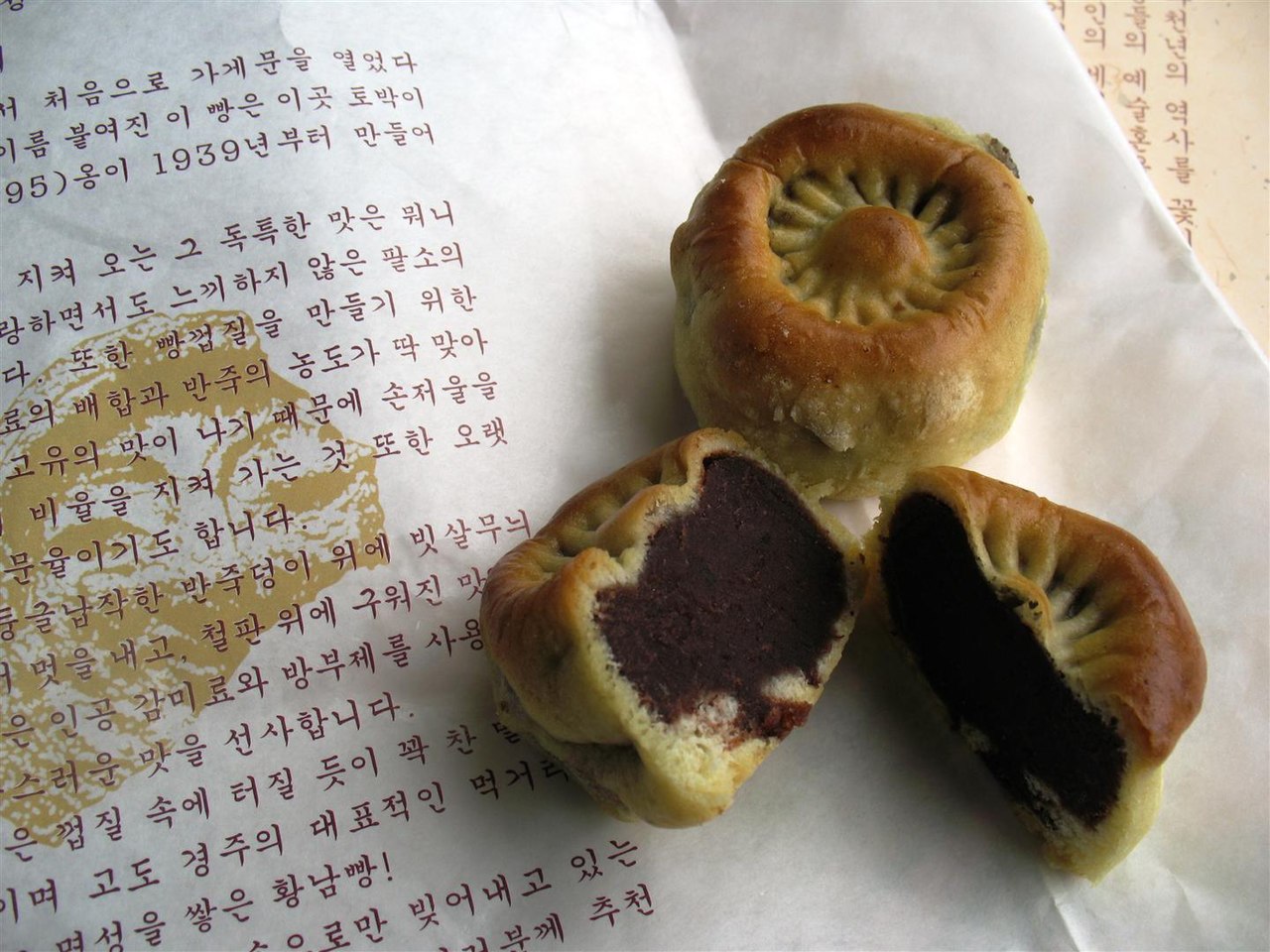
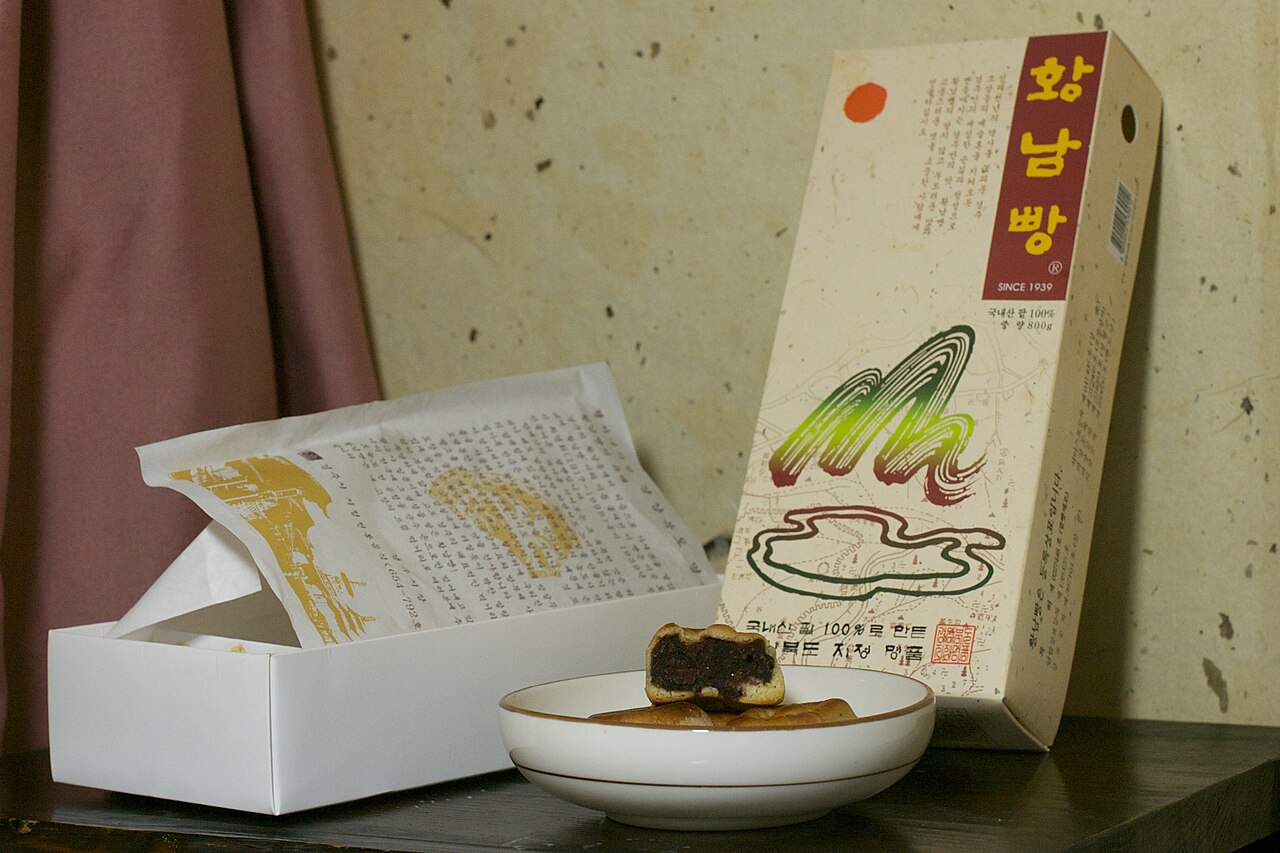
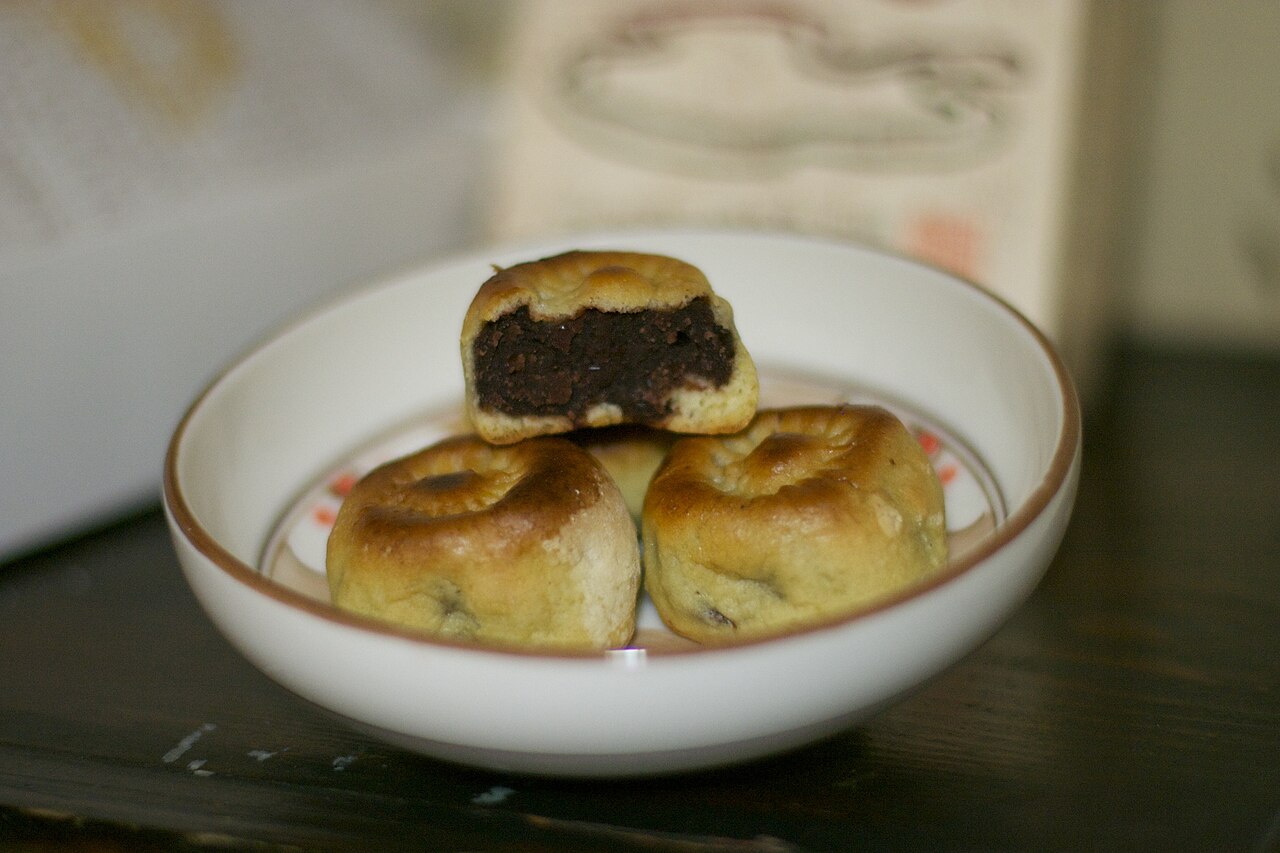
A bakery that serves as a symbol of Gyeongju, founded in 1939 with an 87-year tradition. The thin-skinned bread filled with domestic red bean paste was selected as the official dessert for the Gyeongju Expo and APEC. It is so popular that thousands are sold daily, making it a favorite gift item.
Yoseokgung 1779 (요석궁1779)
Located on the site where Silla Princess Yoseok lived, this restaurant serves traditional Hanjeongsik (full-course Korean meal) based on the recipes passed down through 12 generations of the Gyeongju Choe family. The dignified table setting of the Choe family, famous for 'Noblesse Oblige,' attracts dignitaries and is particularly suitable for premium group dining.
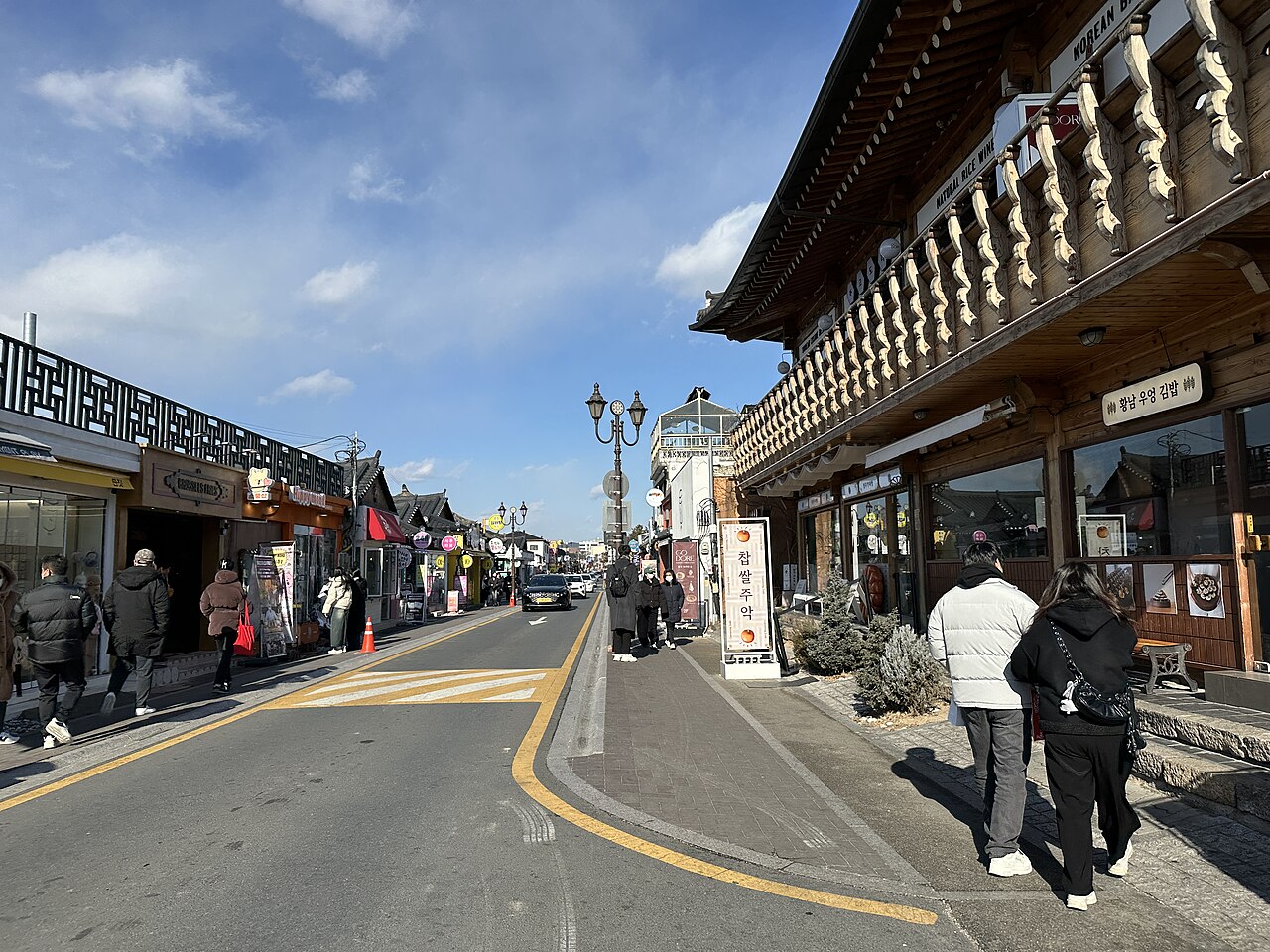
Hwangridan-gil (황리단길)
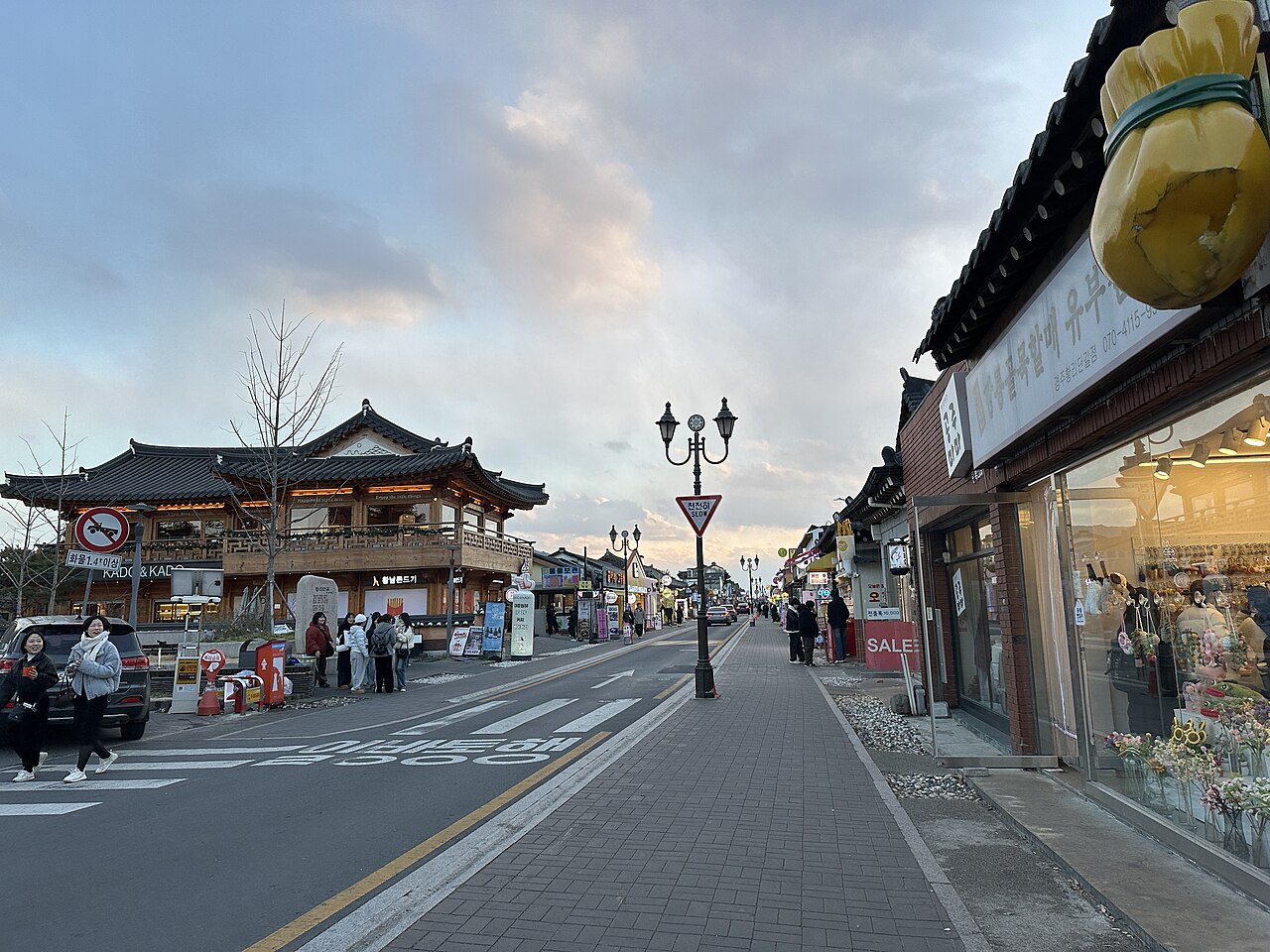
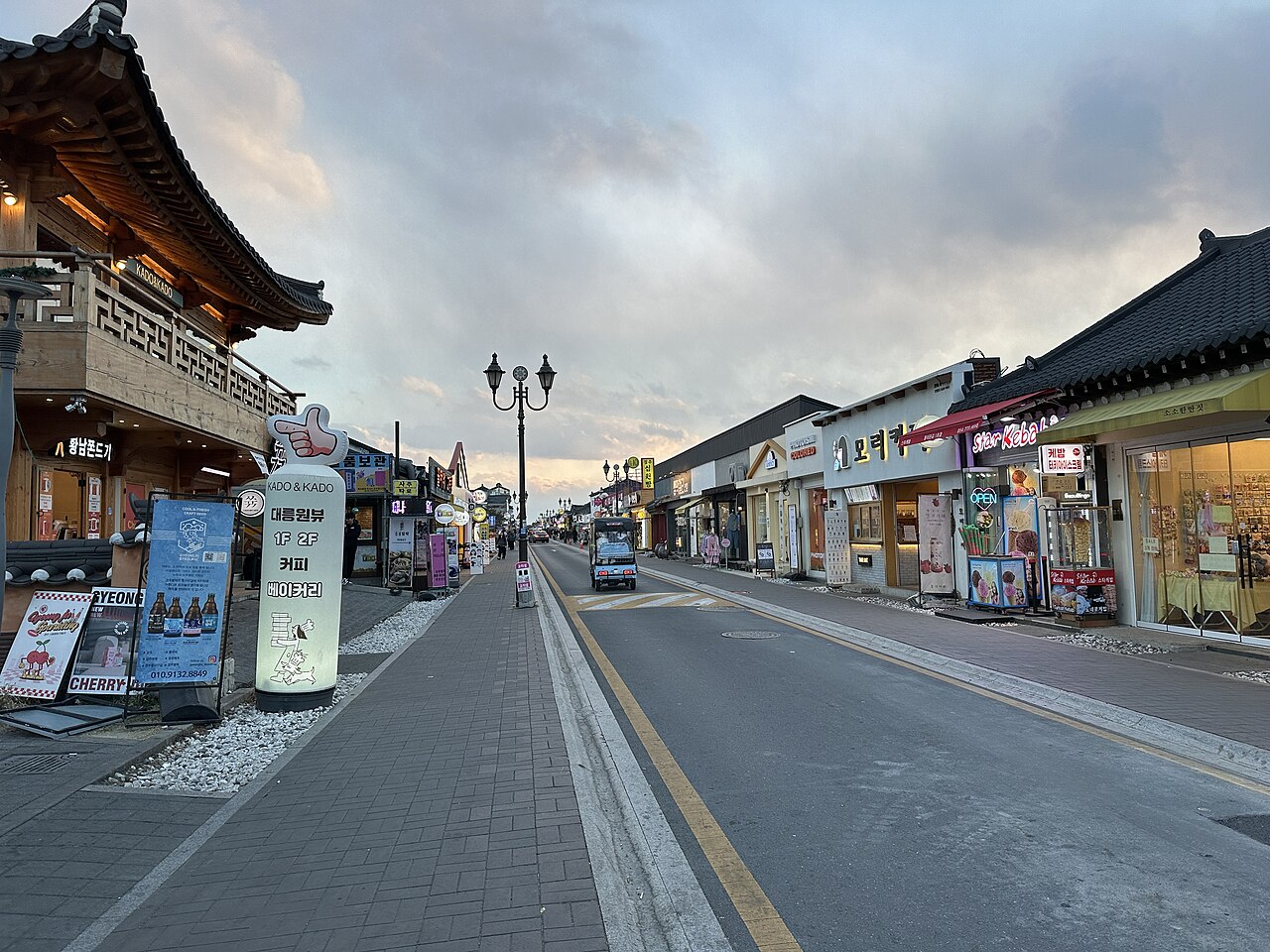
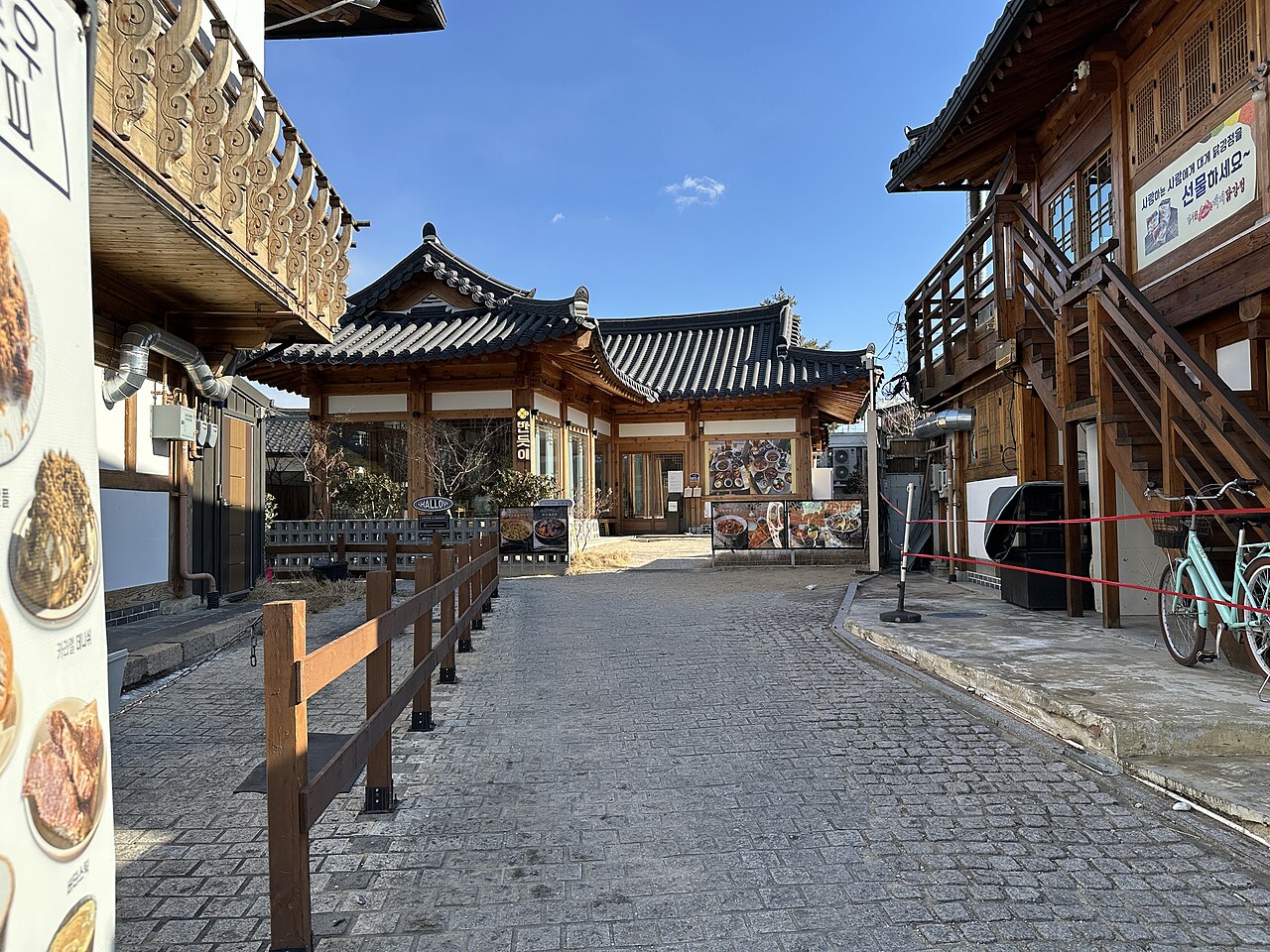
Gyeongju's top hotspot lined with Hanok cafes, souvenir shops, and flea markets along the Daereungwon stone wall path. You can take unique photos with the Silla tombs in the background. It has become so famous that it often ranks 1st in navigation searches, attracting a constant stream of young visitors.
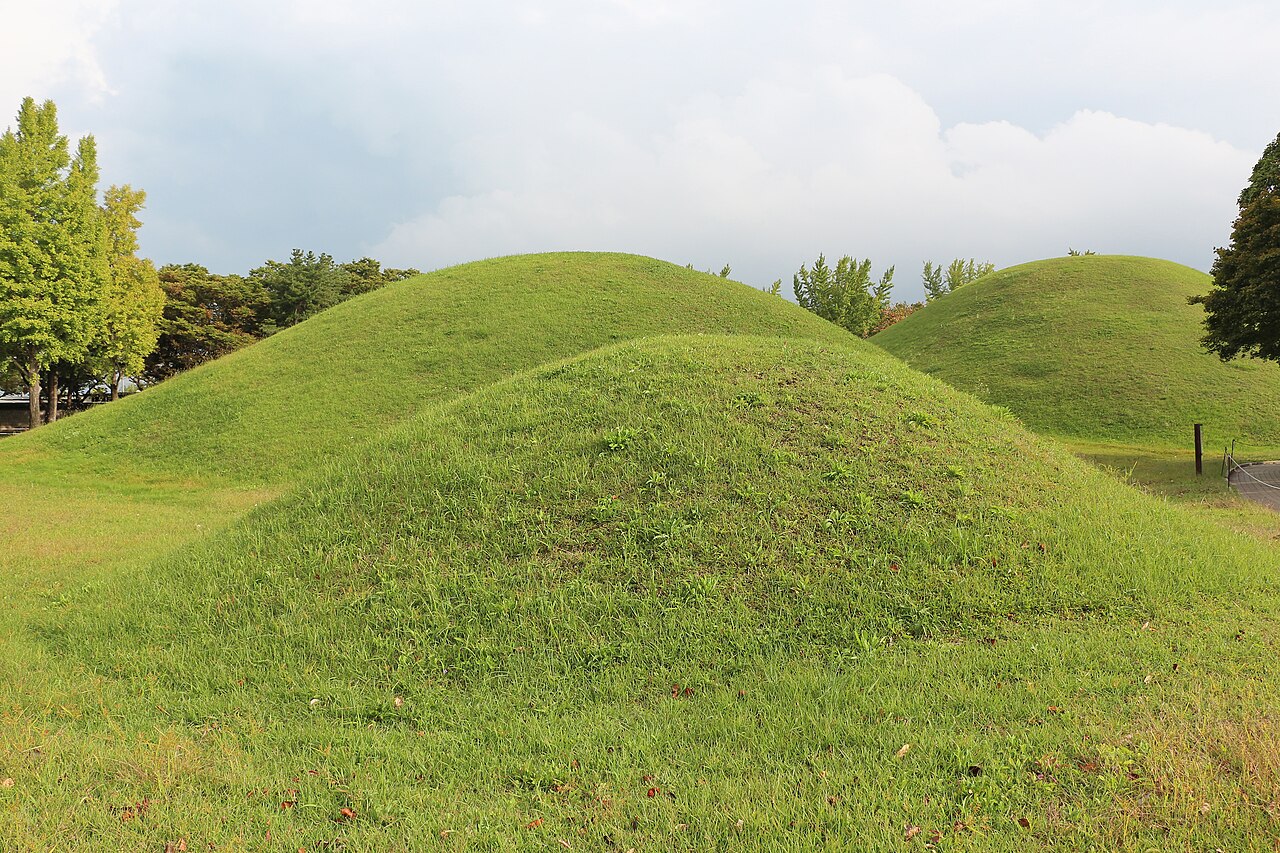
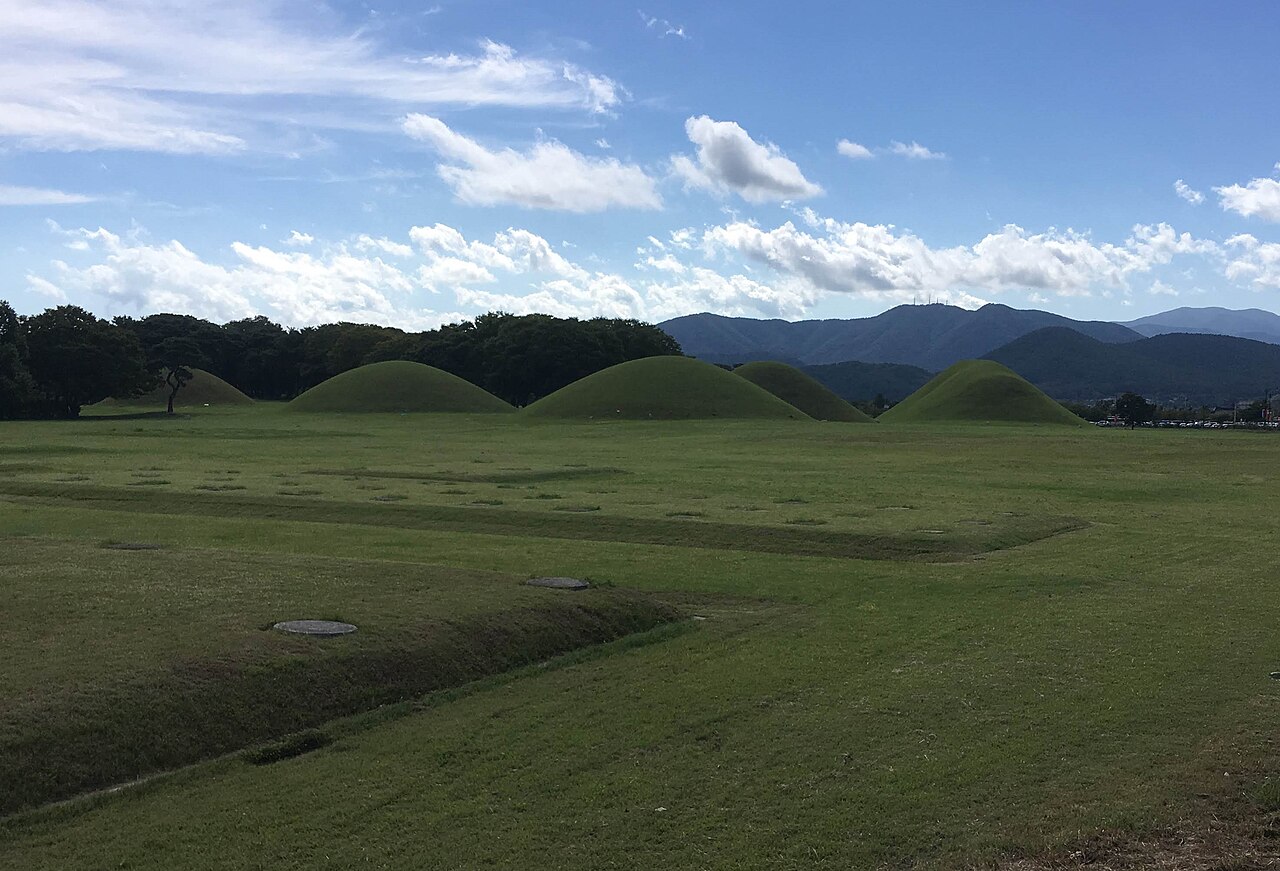
Daereungwon Tomb Complex (대릉원)
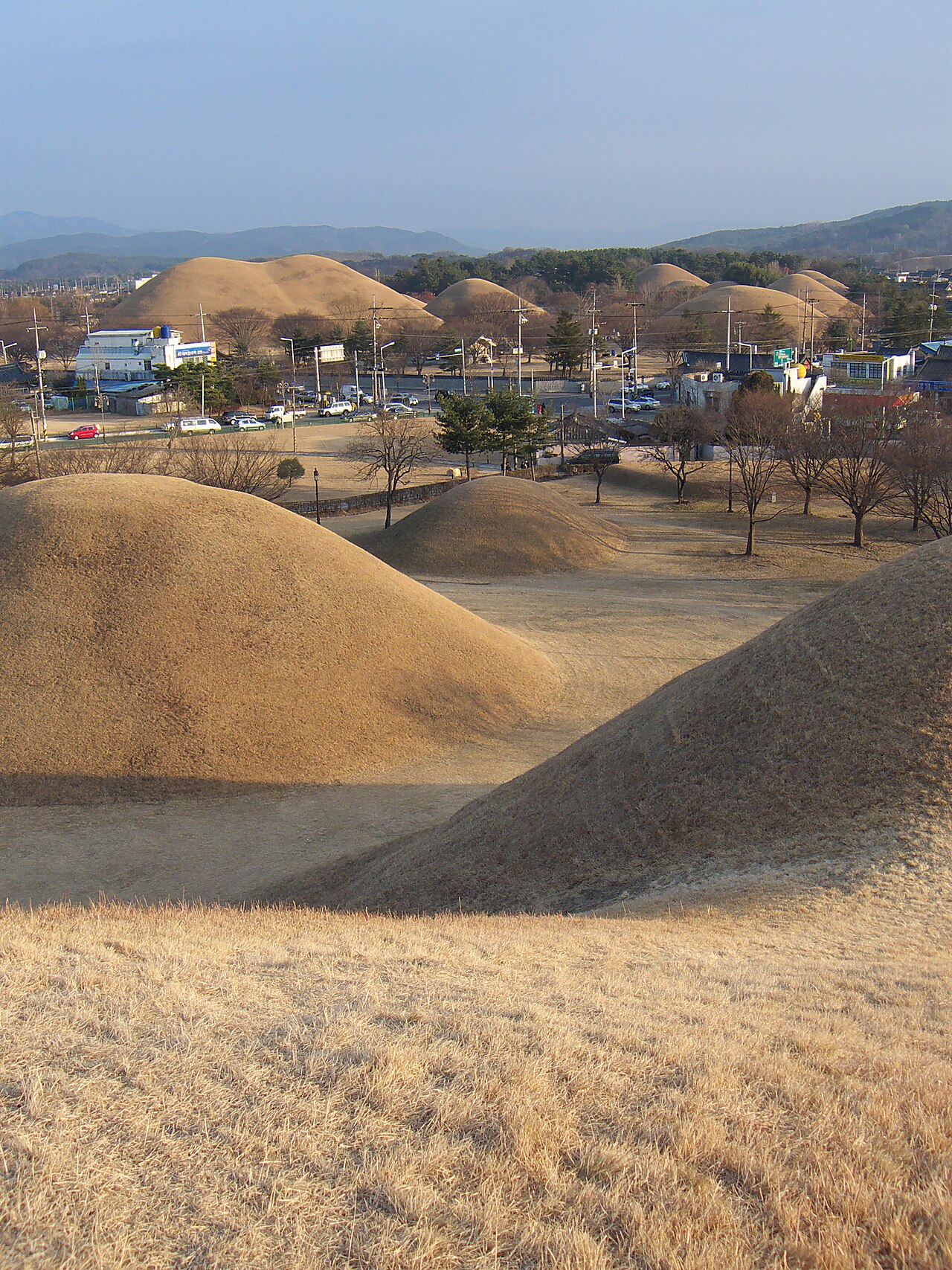
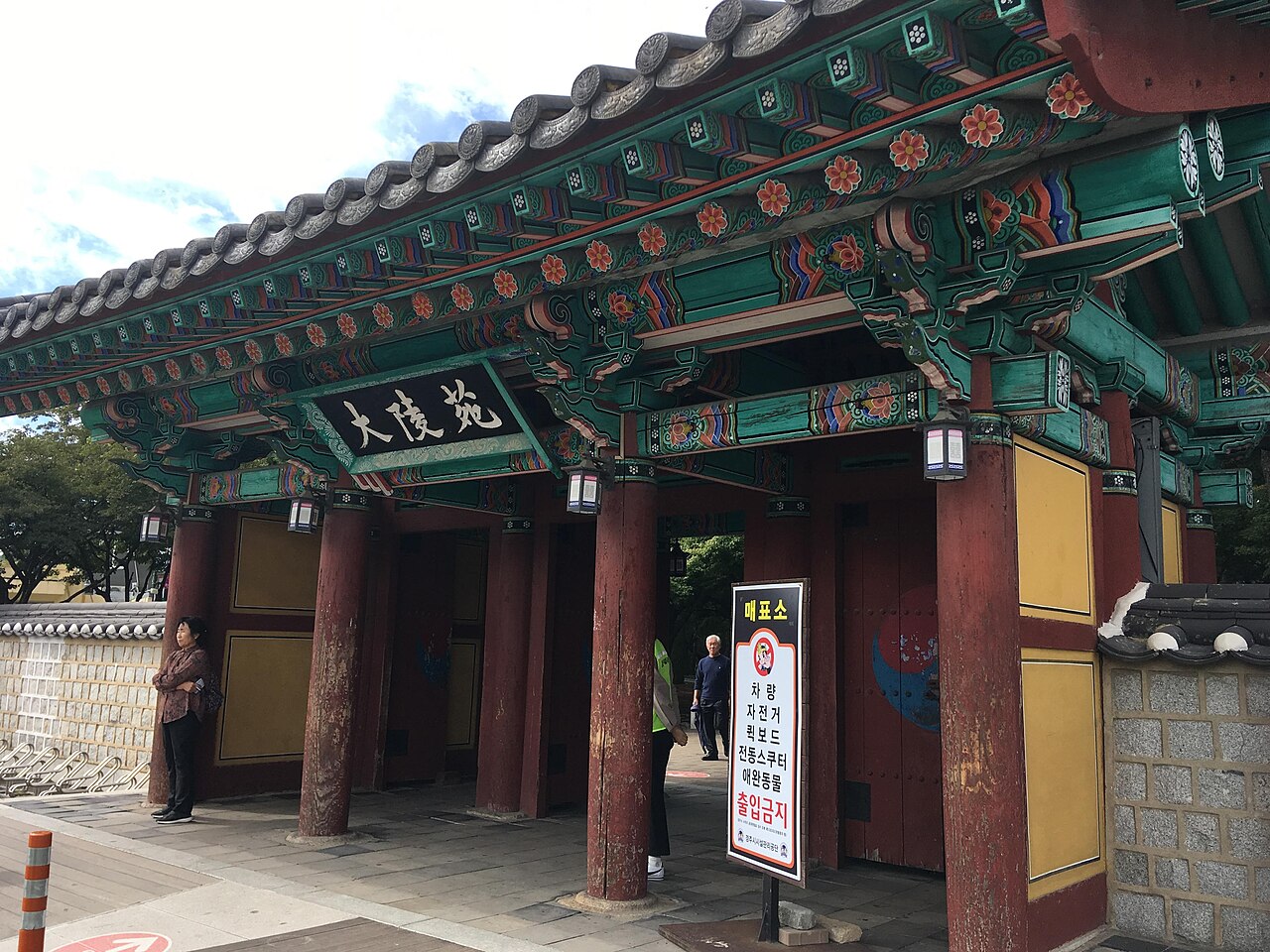
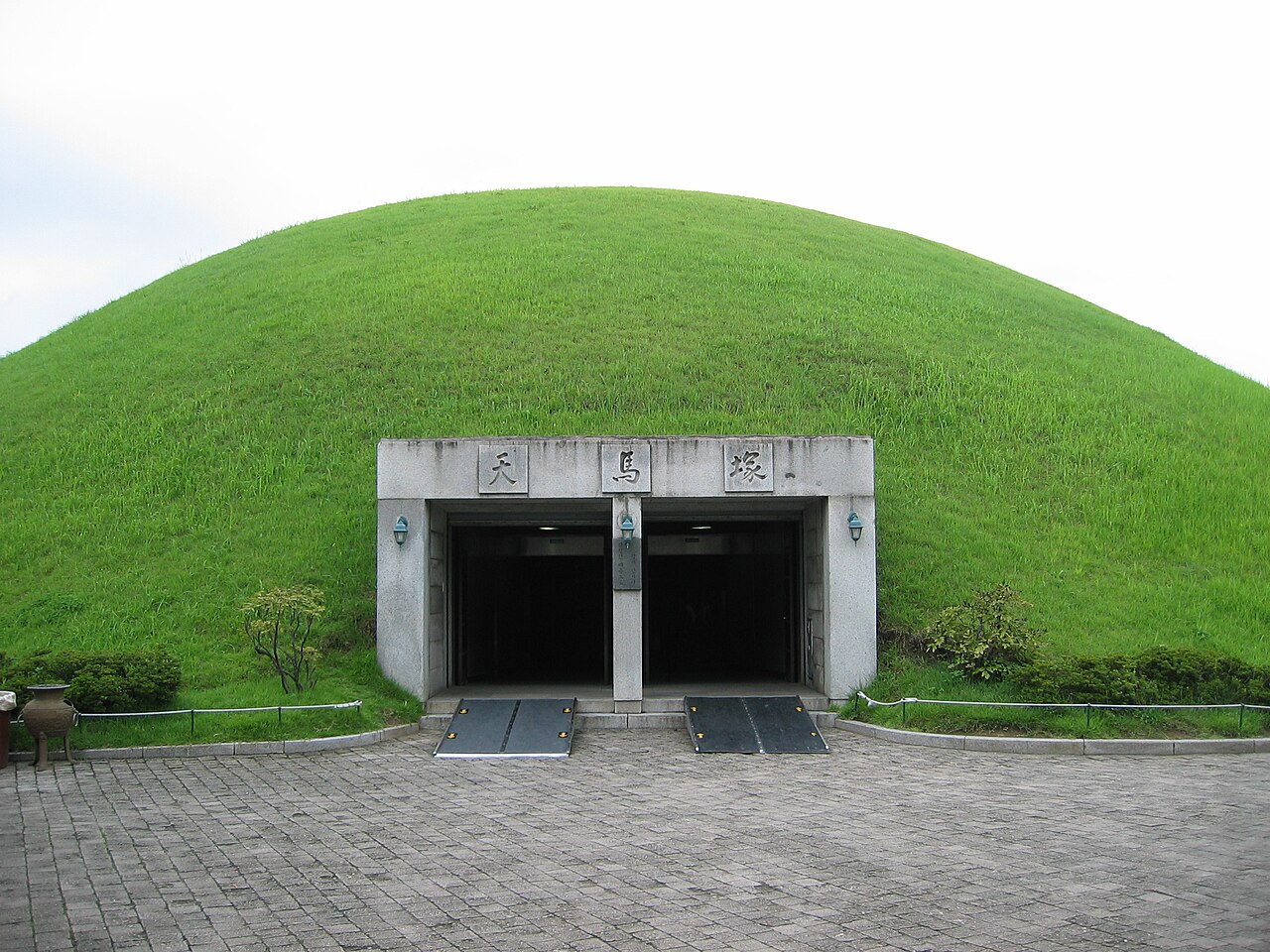
A tomb park housing 23 tombs of Silla royalty and nobility. The interior of Cheonmachong Tomb is open to the public, where you can see replicas of excavated artifacts like the Golden Crown and Heavenly Horse painting. At night, subtle lighting makes it a popular night walk spot. Its location near Hwangridan-gil makes it easy to plan a walking tour.
Gyeongju World (경주월드)
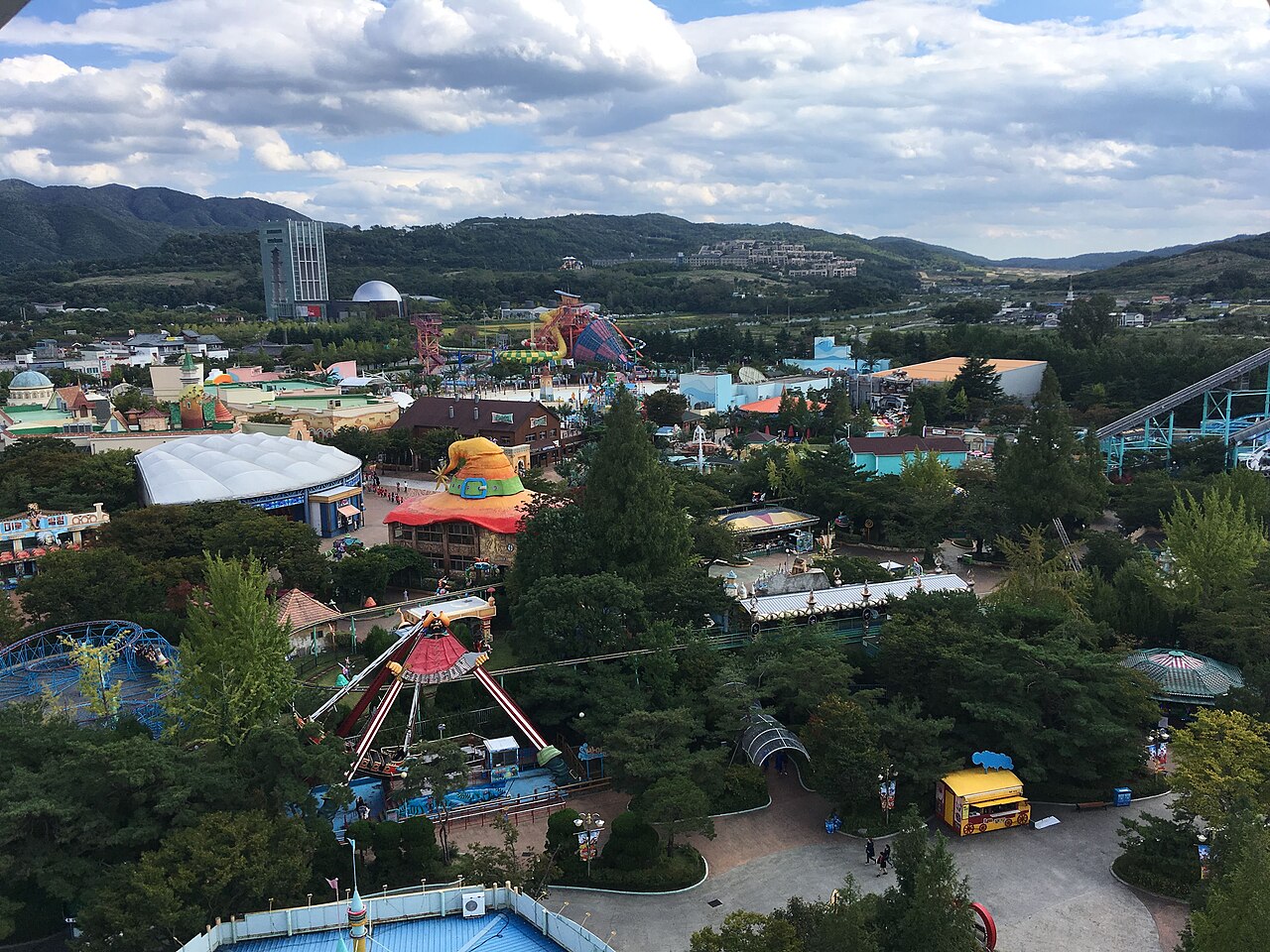
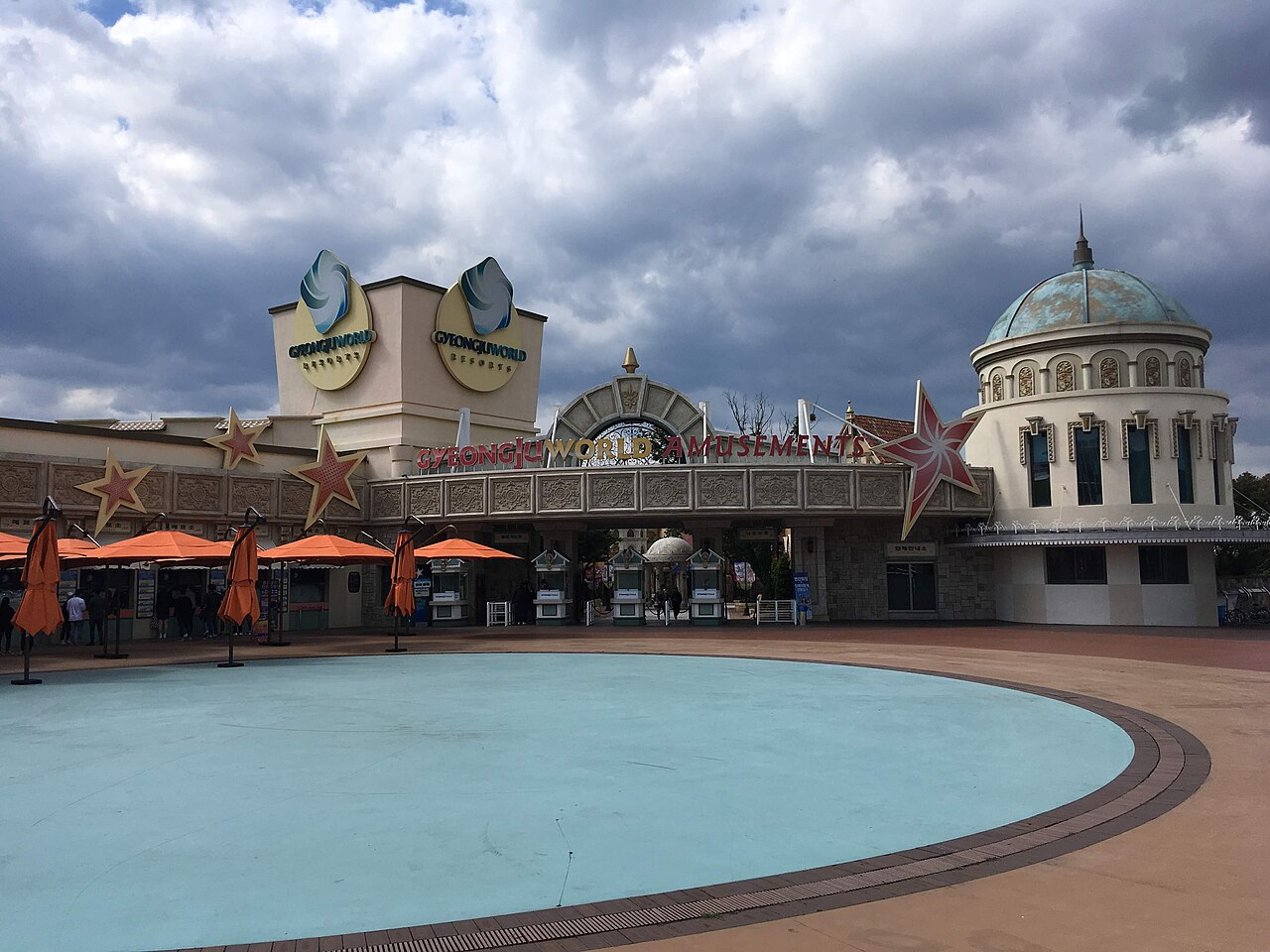
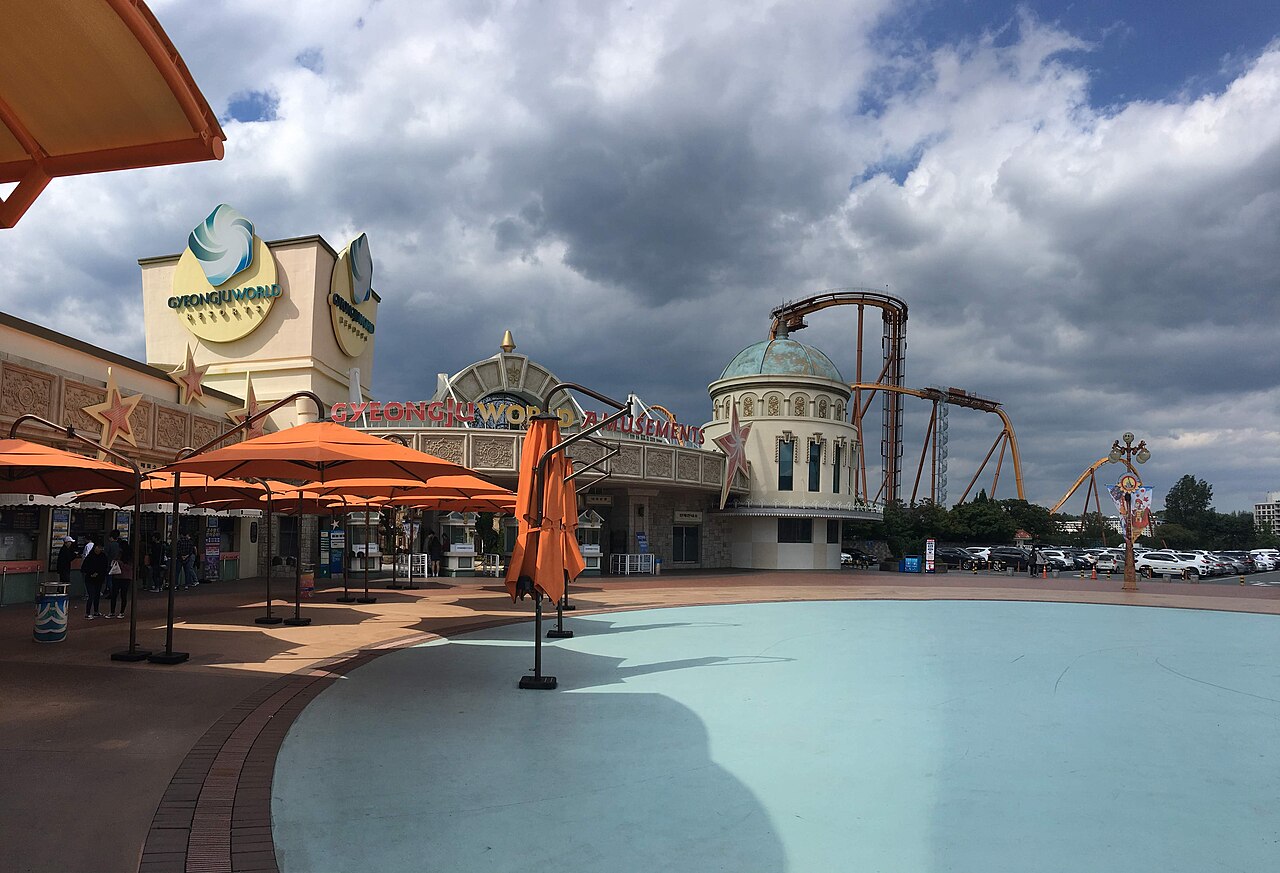
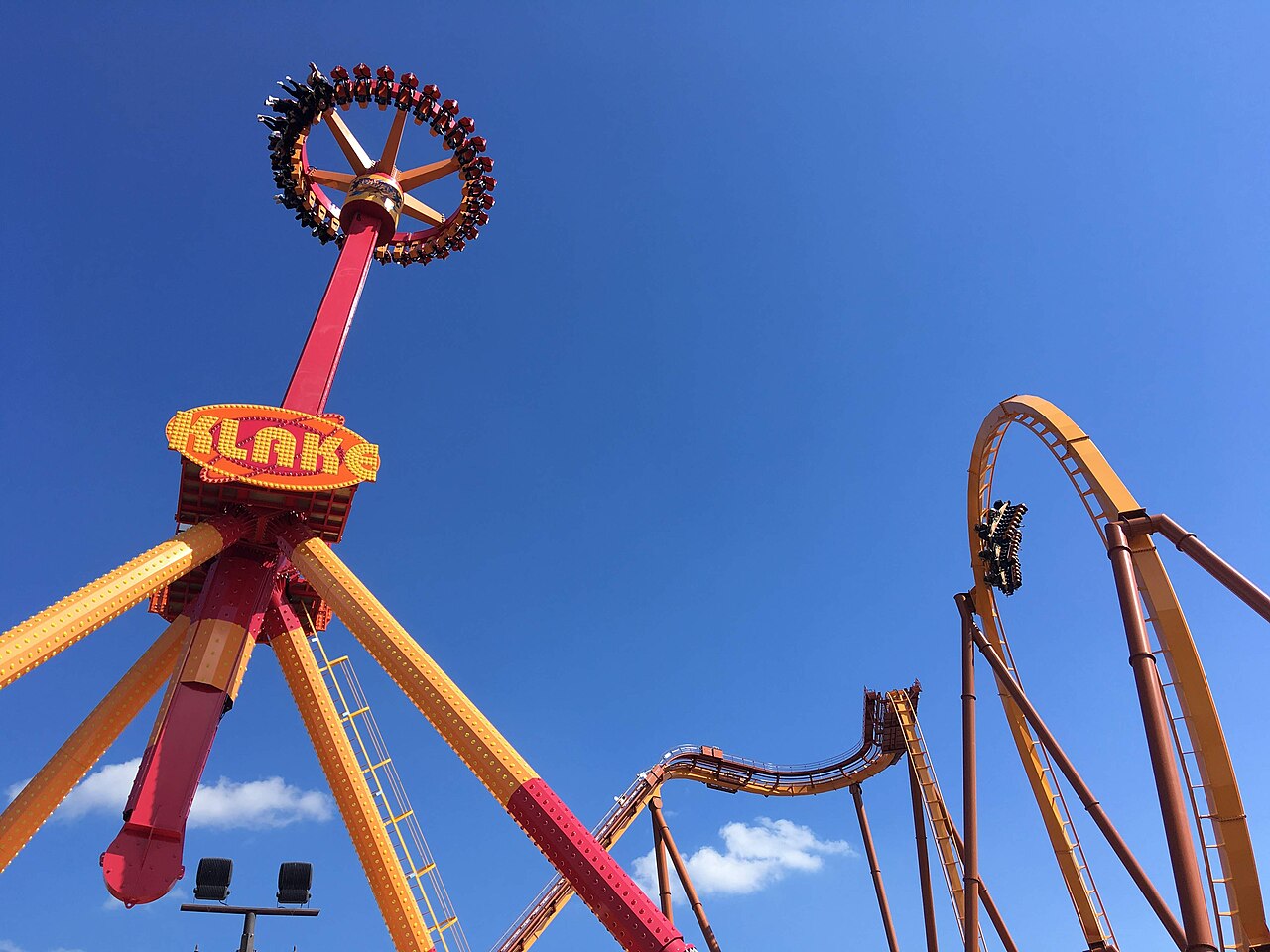
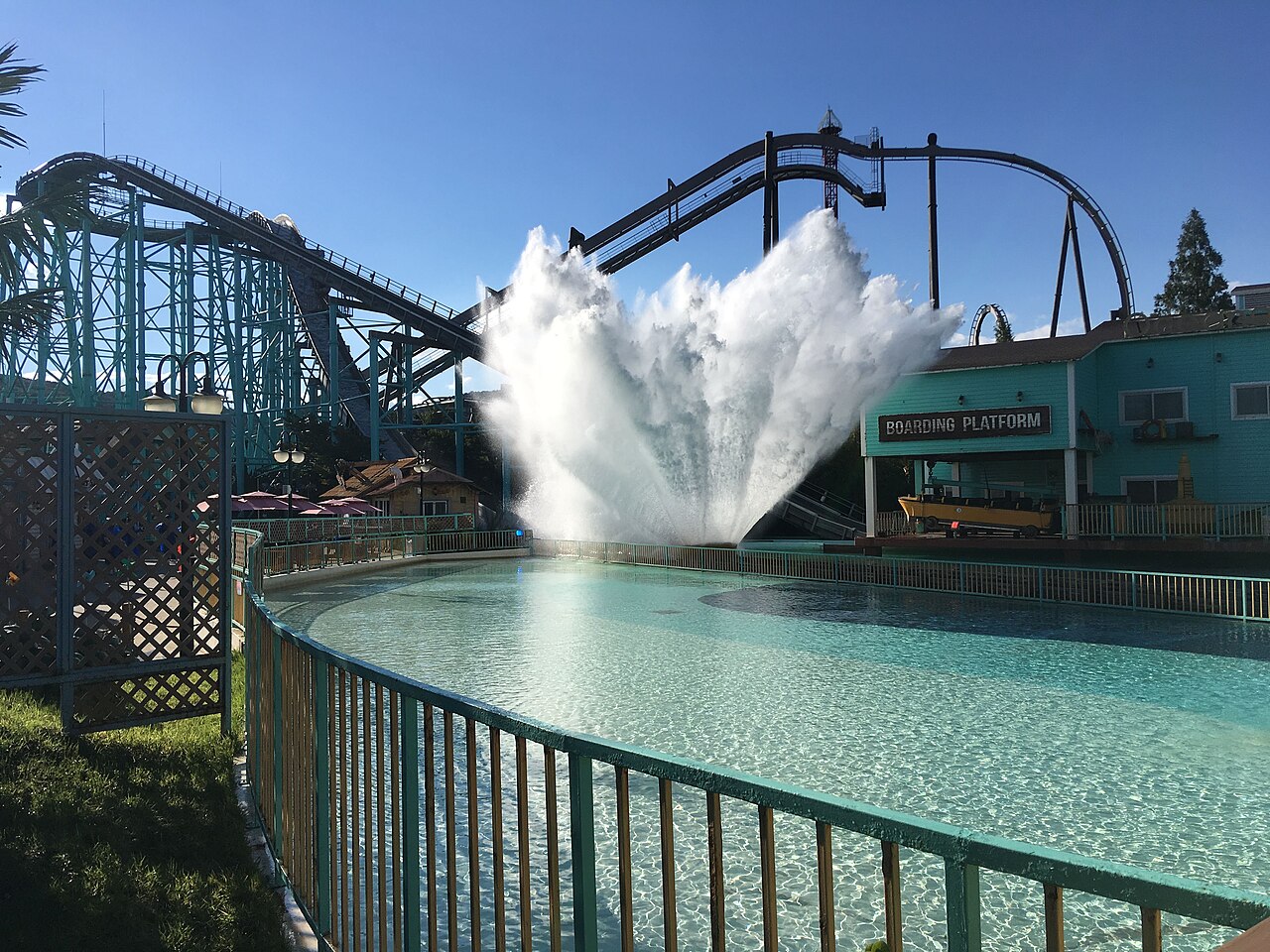
A complex theme park consisting of the 'Joy Land' ride zone and the 'California Beach' summer water park. Key attractions include the large rollercoaster 'Draken' and the water ride 'Shoot the Chute.' Located within the Bomun Tourism Complex, it's easy to combine with historical sightseeing. The water park attracts many families in summer.
Cheomseong대 Observatory (첨성대)
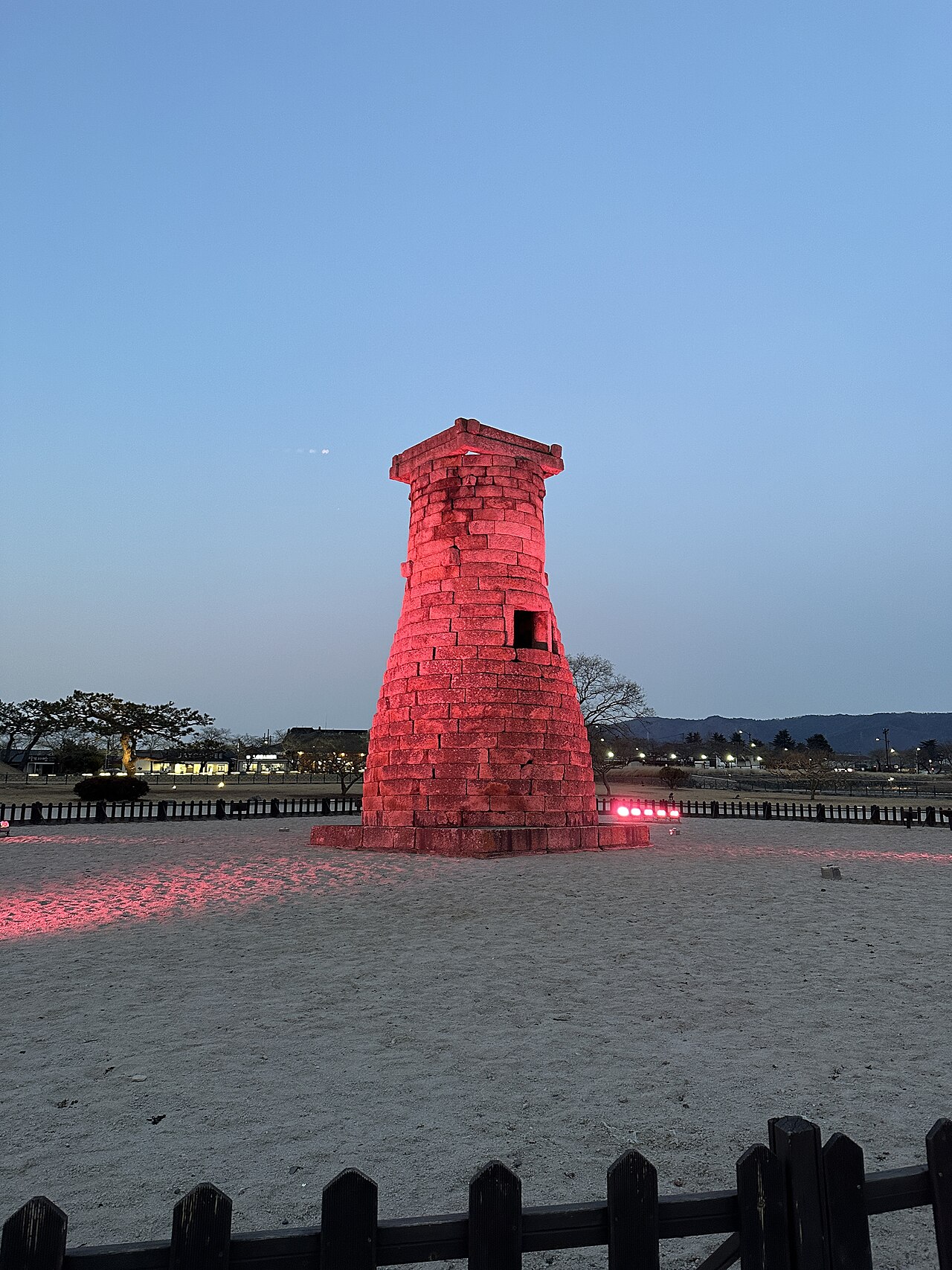
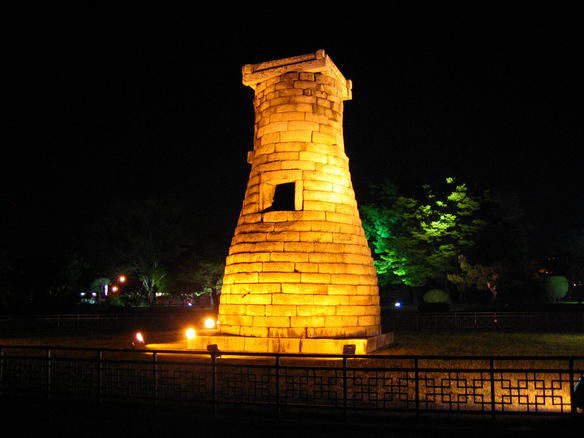
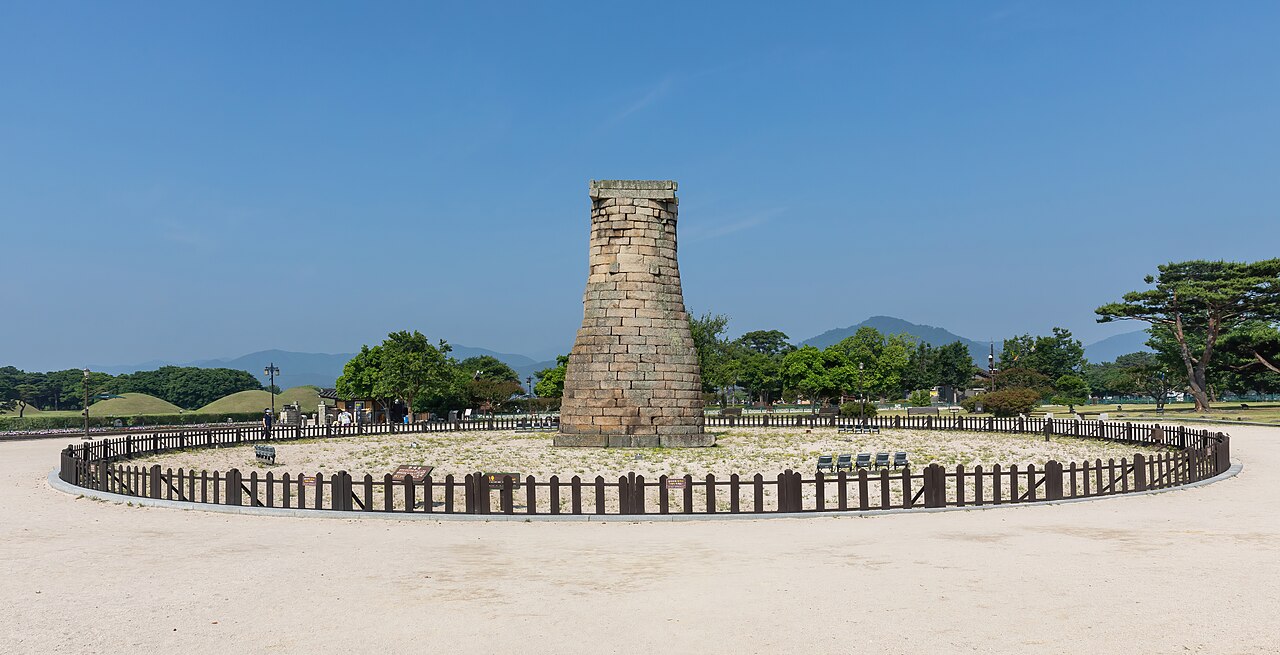
The oldest astronomical observatory in the East, built in 632 during the reign of Queen Seondeok of Silla. It features a bottle-shaped structure made of 362 granite blocks. Included in the UNESCO World Heritage 'Gyeongju Historic Areas,' it's a beloved night view spot when lit up. The surrounding lawn is great for walks.
Seokguram Grotto (석굴암)
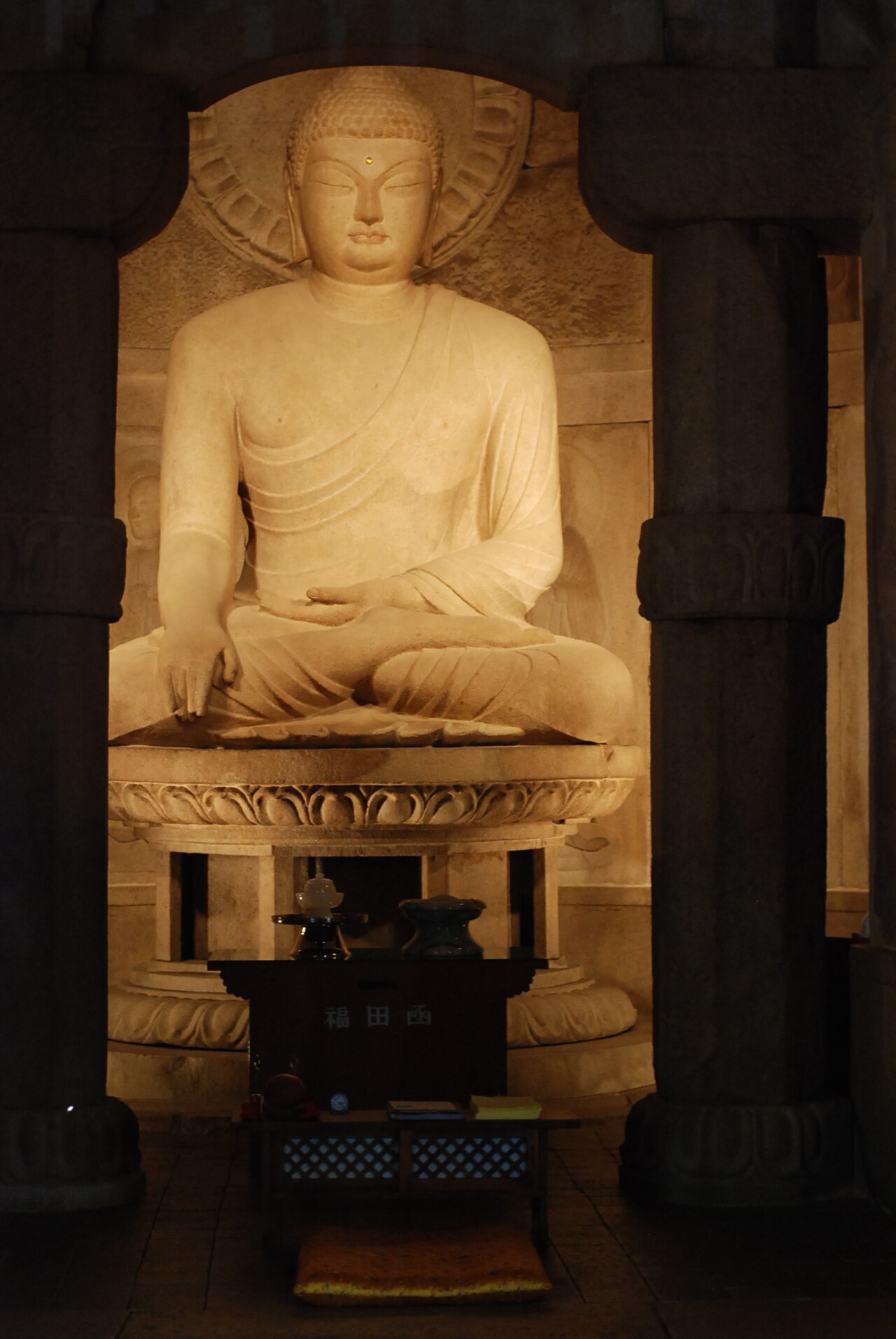
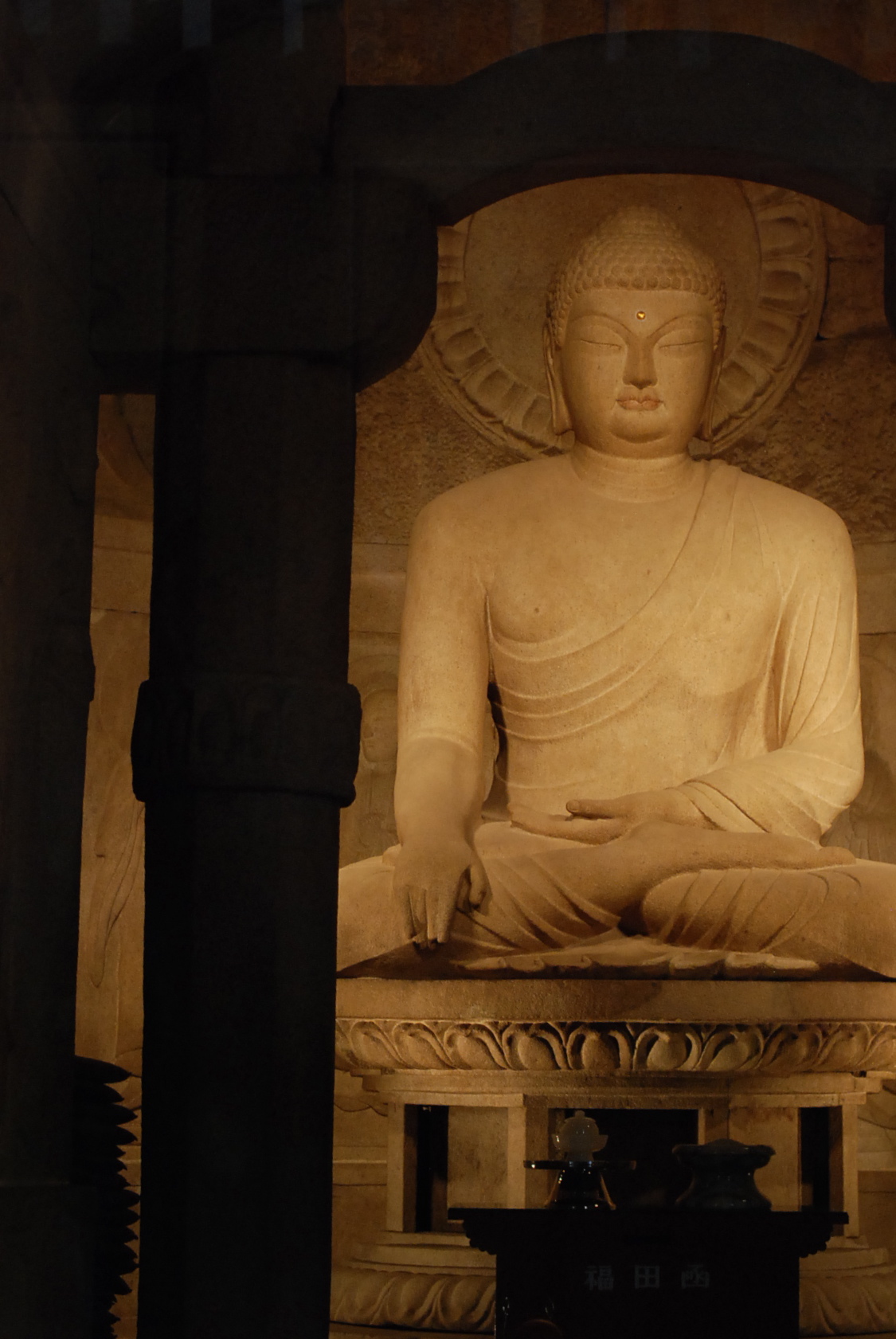
A stone cave temple founded in 751, containing a seated Buddha statue inside an artificial granite cave. Designated as a UNESCO World Heritage site in 1995 along with Bulguksa. The Buddha can only be viewed through a glass wall. It's popular to visit with Bulguksa using a combined ticket.
Woljeonggyo Bridge (월정교)
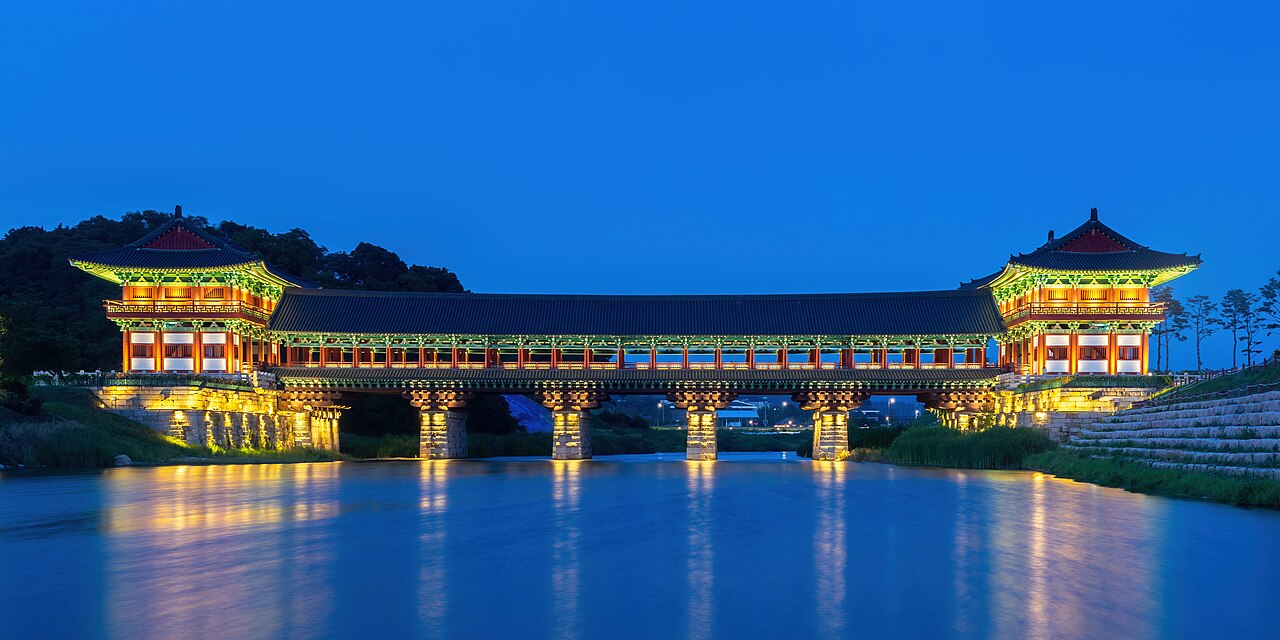
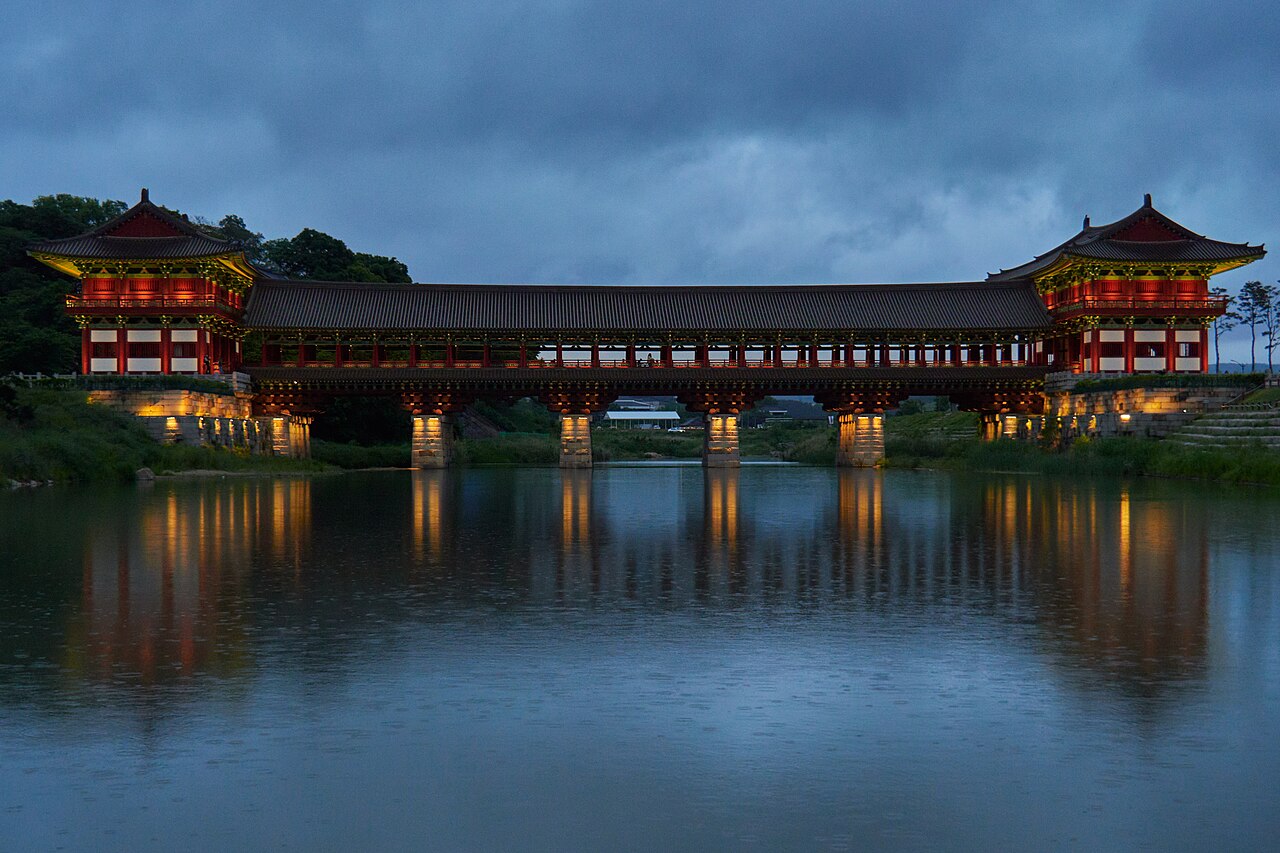
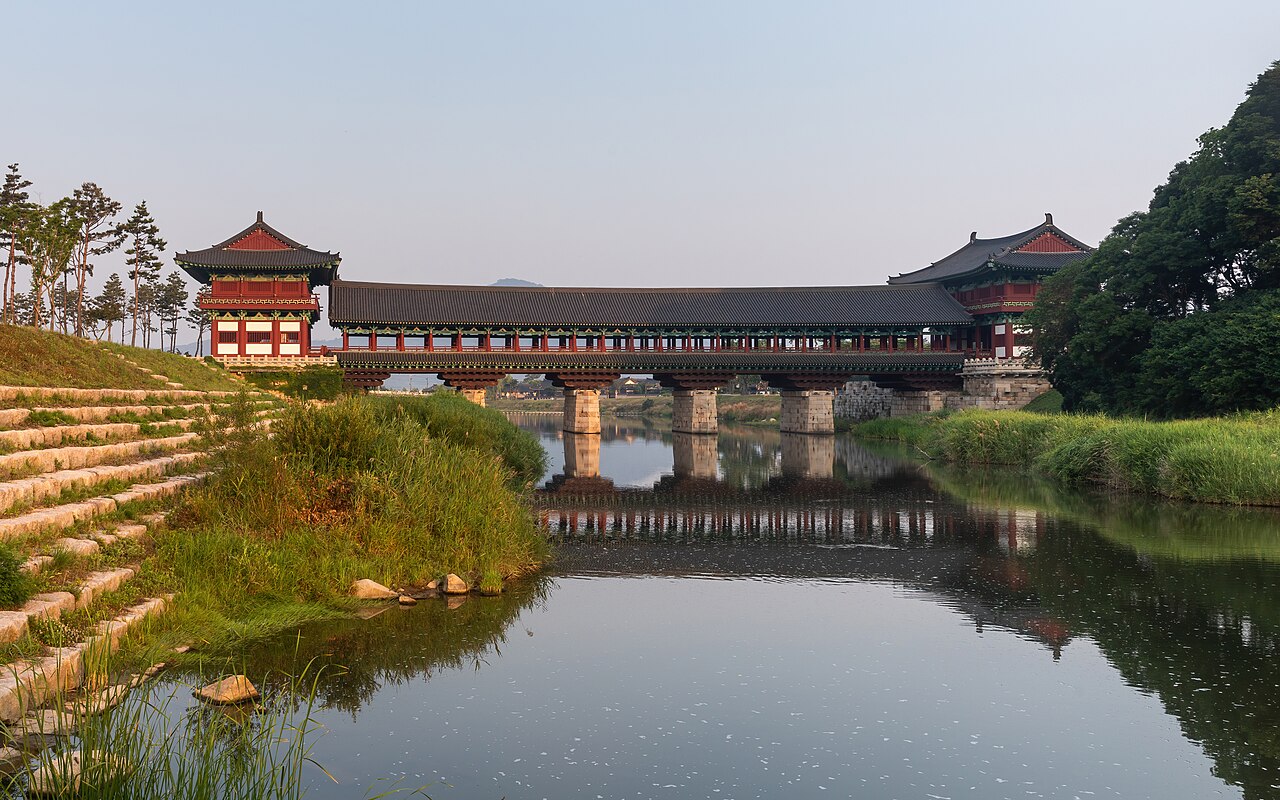
A wooden covered bridge originally built in 760. Rebuilt in 2018, it features a majestic 2-story pavilion and corridor. The night view reflected in the Namcheon stream is one of Gyeongju's best photo spots. It connects to Gyochon Hanok Village and the Choe family estate.