Gyeonggijeon Shrine (경기전)
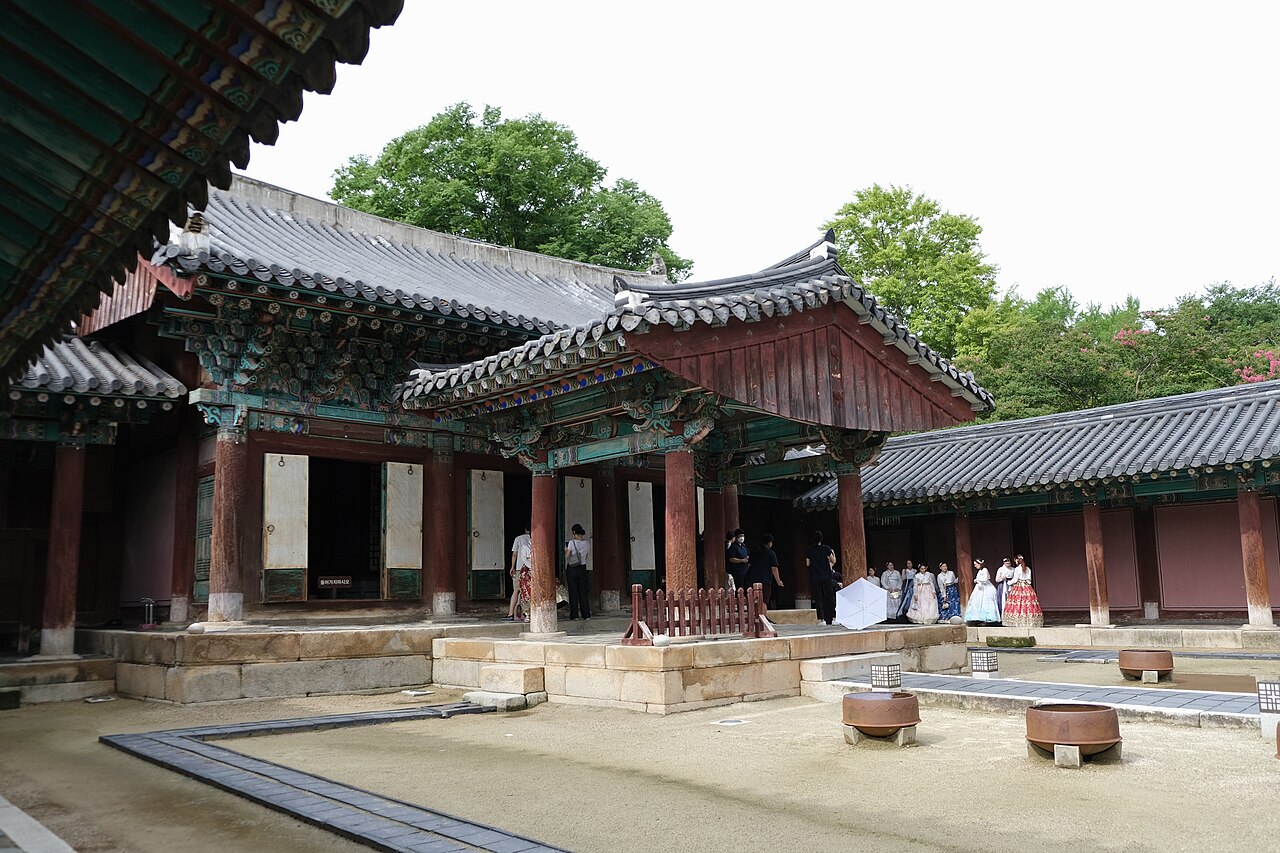
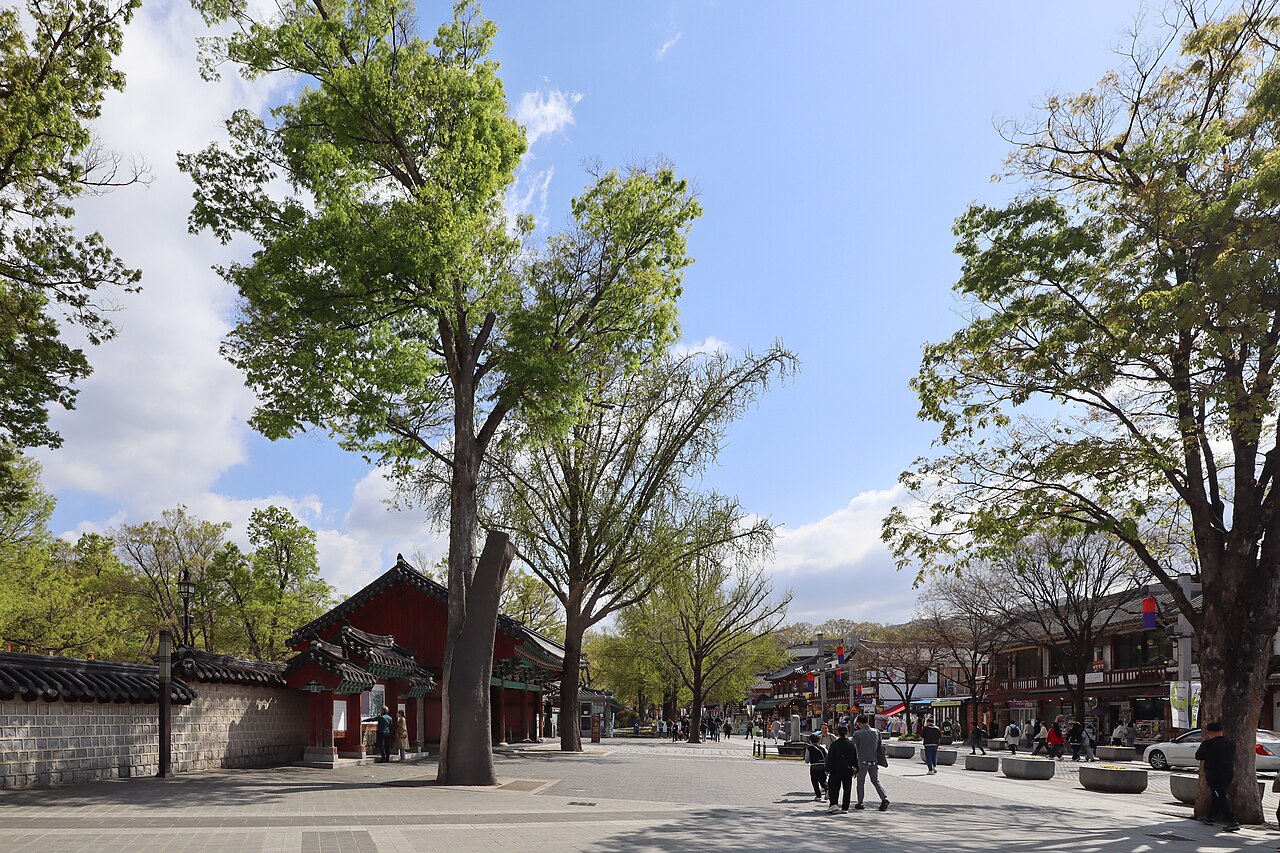
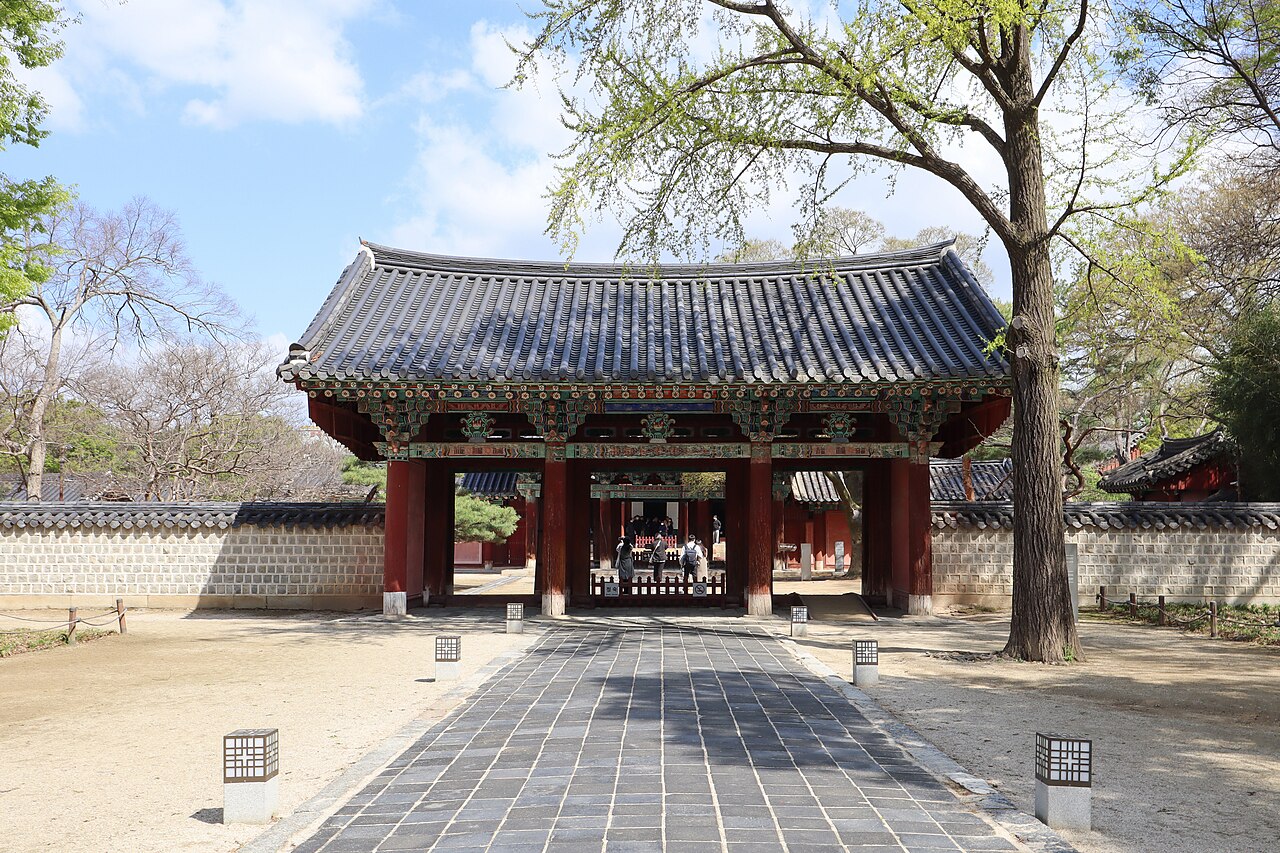
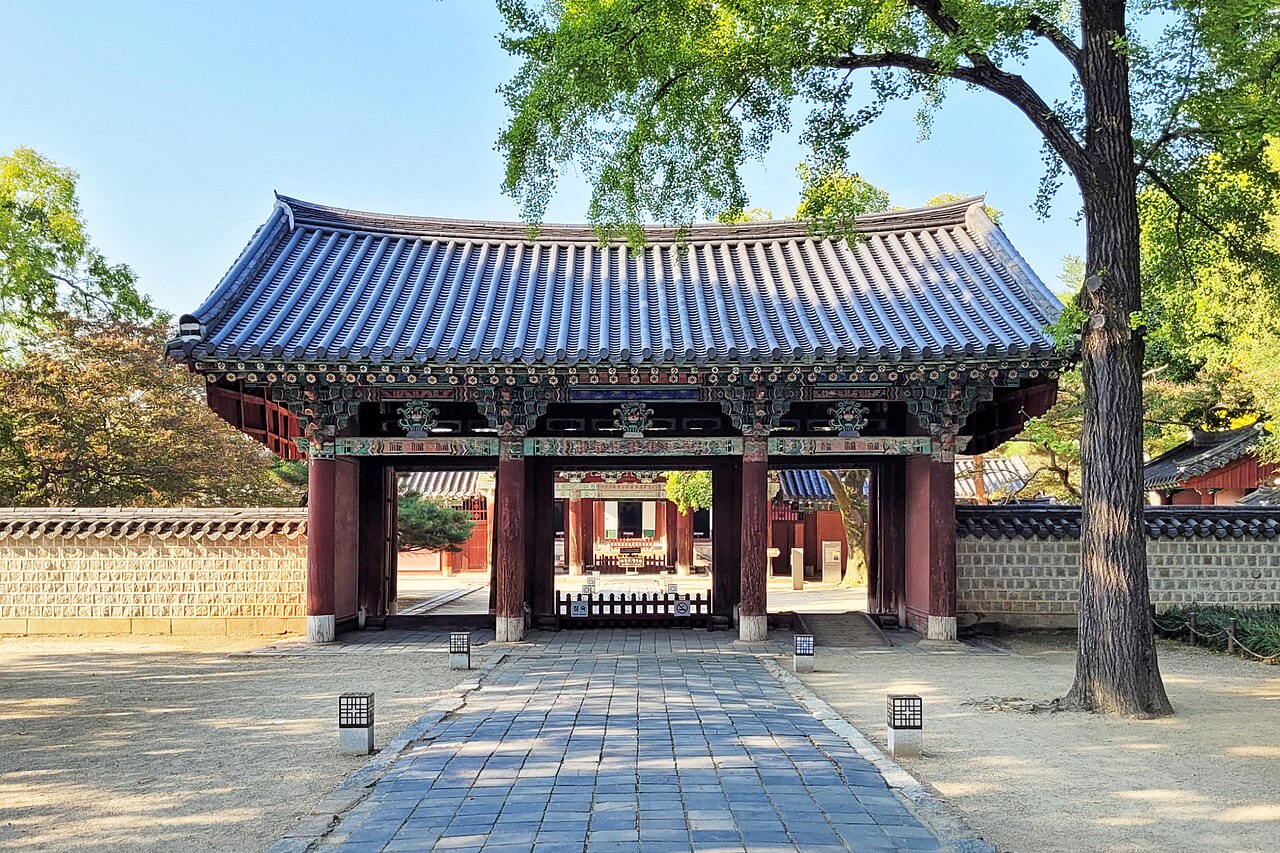
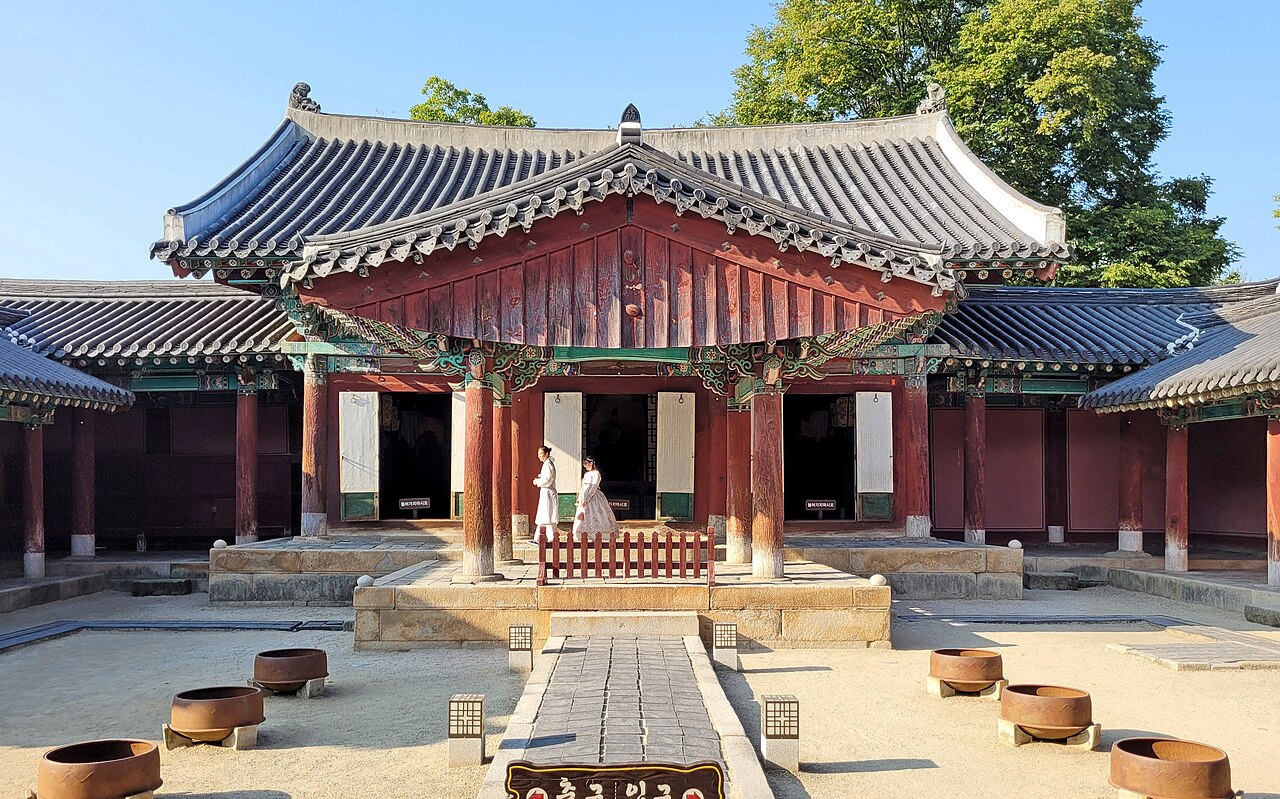
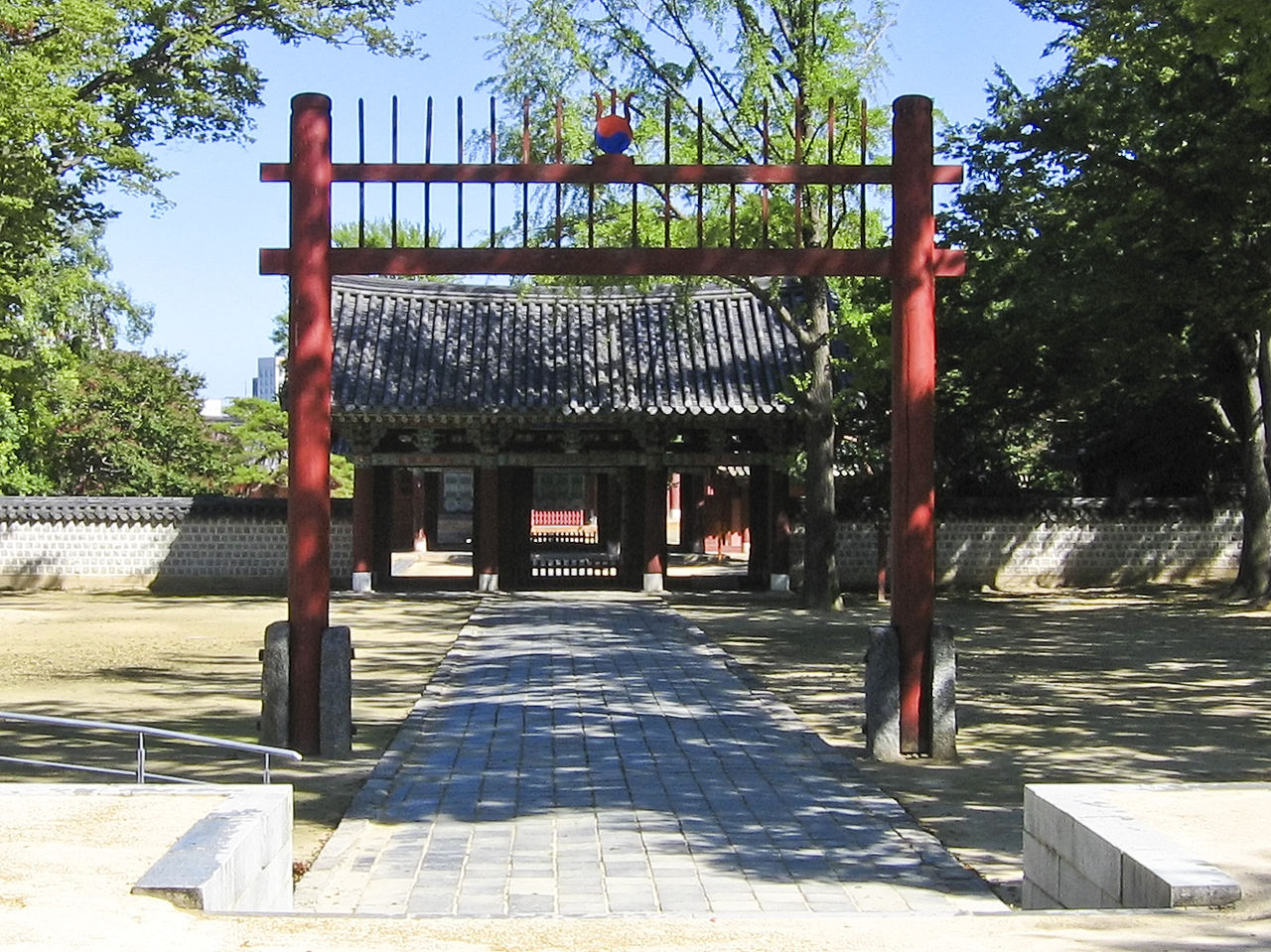
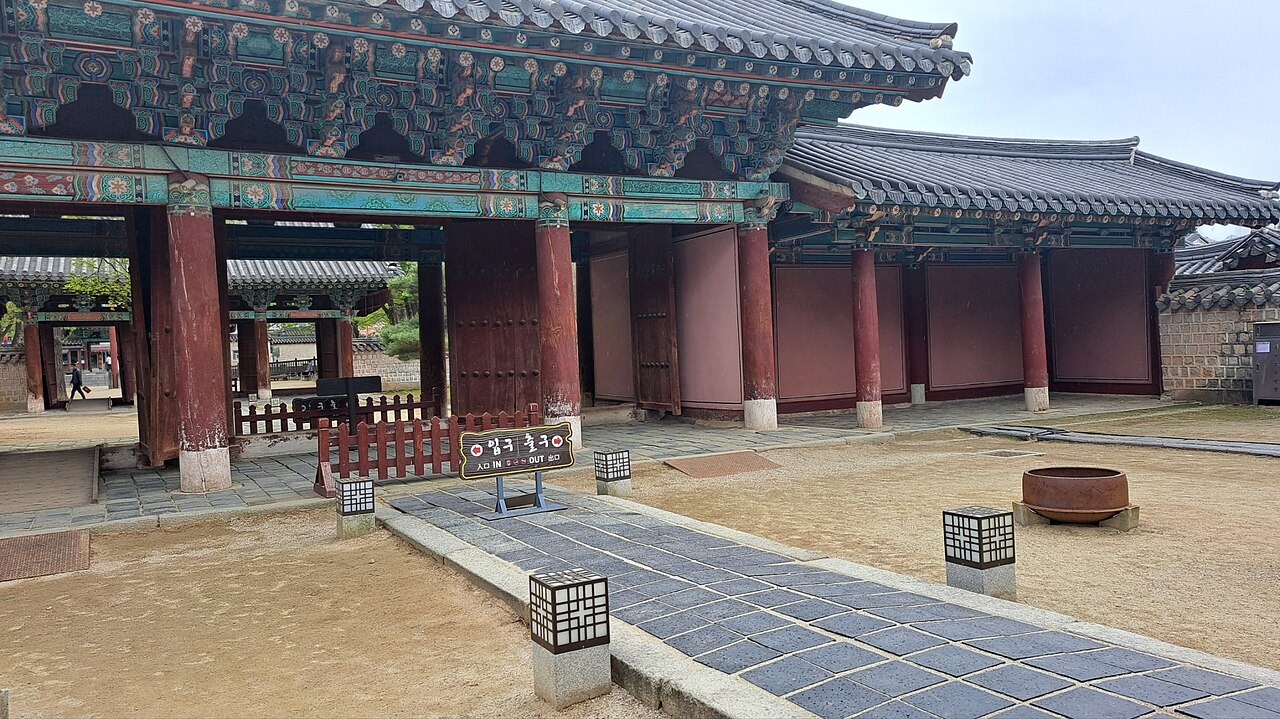
A royal shrine of the Joseon Dynasty housing the portrait (Eojin) of King Taejo Yi Seong-gye, who founded Joseon. Located at the entrance of Jeonju Hanok Village, the antique main hall and old trees surrounding the grounds make it a great cultural course to feel the dignity of the royal family while wearing a Hanbok.
Jeonju Hanok Village (전주한옥마을)
The largest Hanok preservation district in Korea with over 700 traditional Hanoks, designated as an International Slow City. Key attractions like Gyeonggijeon and Jeondong Cathedral are gathered within a 5-10 minute walking radius, and Hanbok rental shops are everywhere for a memorable photo tour.
Starbucks Jeonju Hanok Village (스타벅스 전주한옥마을점)
The only Starbucks Reserve store in the Honam region, featuring an impressive exterior that preserves Hanok architectural styles. The 3rd-floor window seats offer a panoramic view of Jeondong Cathedral and the Hanok village roofs. Its location at the entrance of the village makes it a convenient stop.
Hankook Jip (한국집)
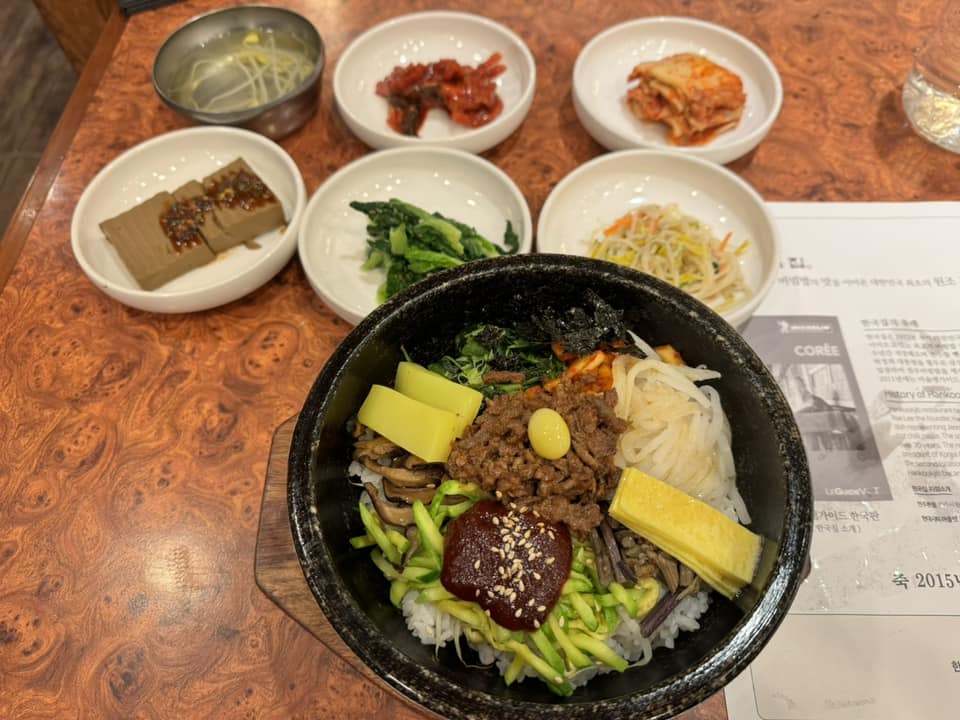
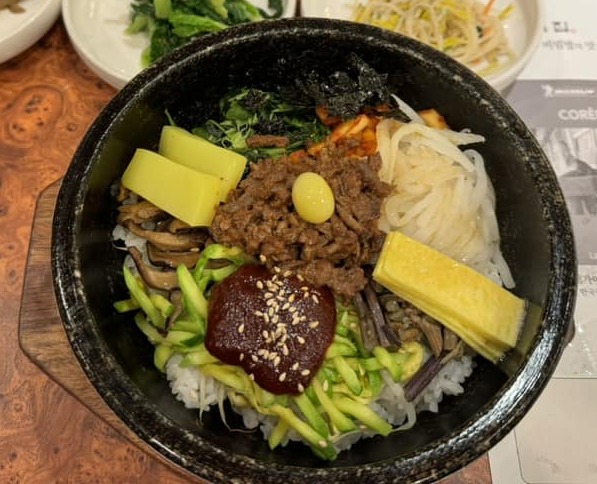
An original Jeonju bibimbap restaurant that opened in 1952 and has been passed down for three generations, making its own sesame oil and red pepper paste. Recognized by the Michelin Guide, it is considered an essential restaurant visit in Jeonju.
Nambu Market (남부시장)
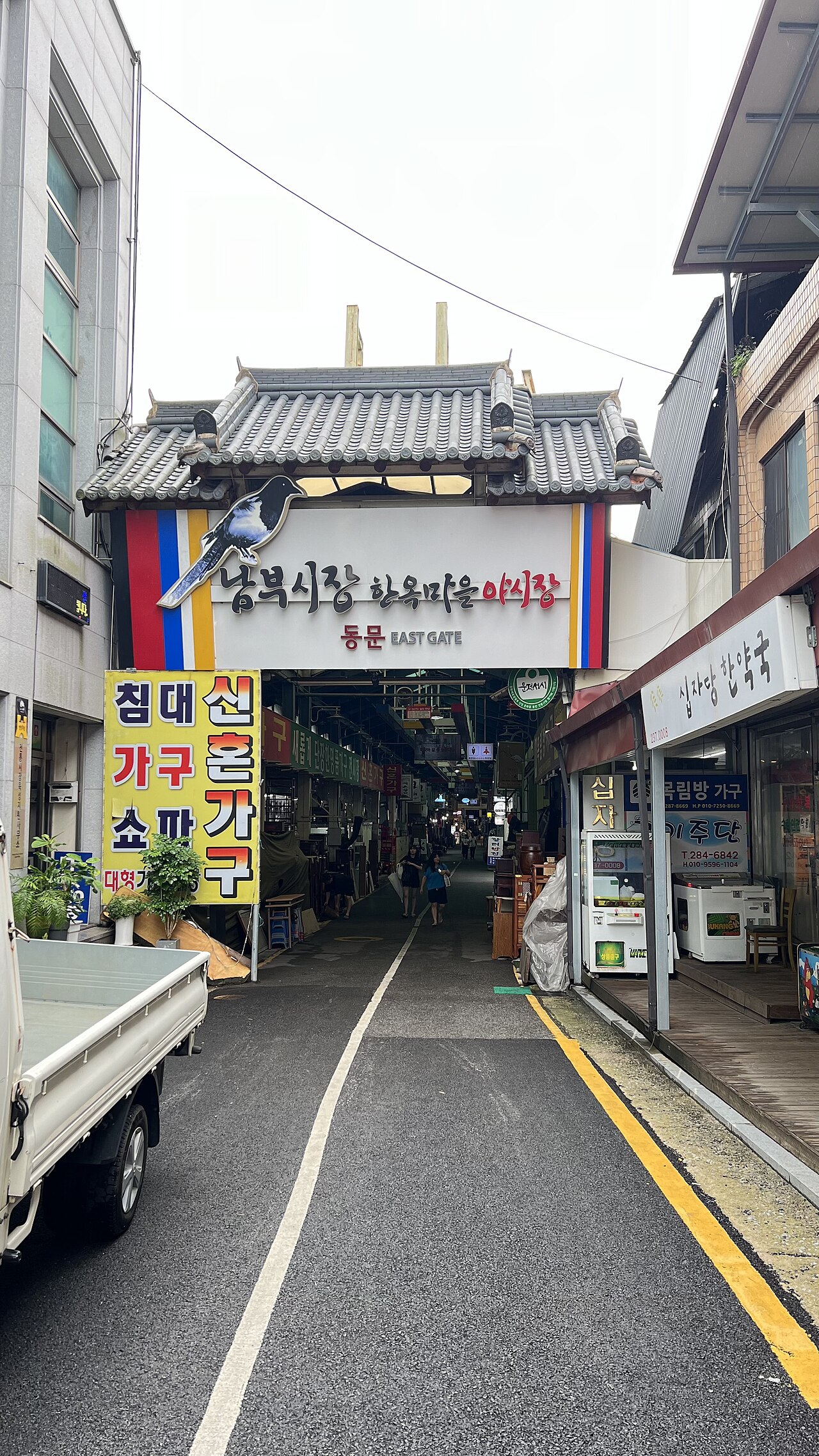
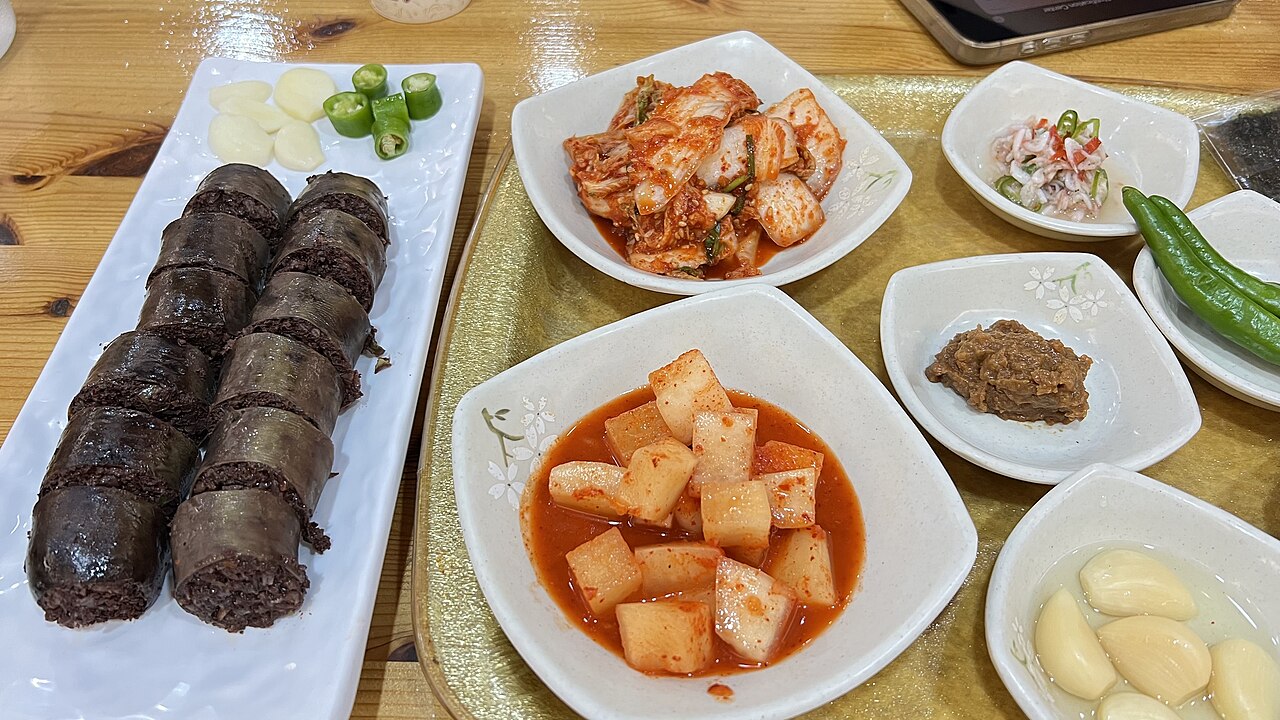
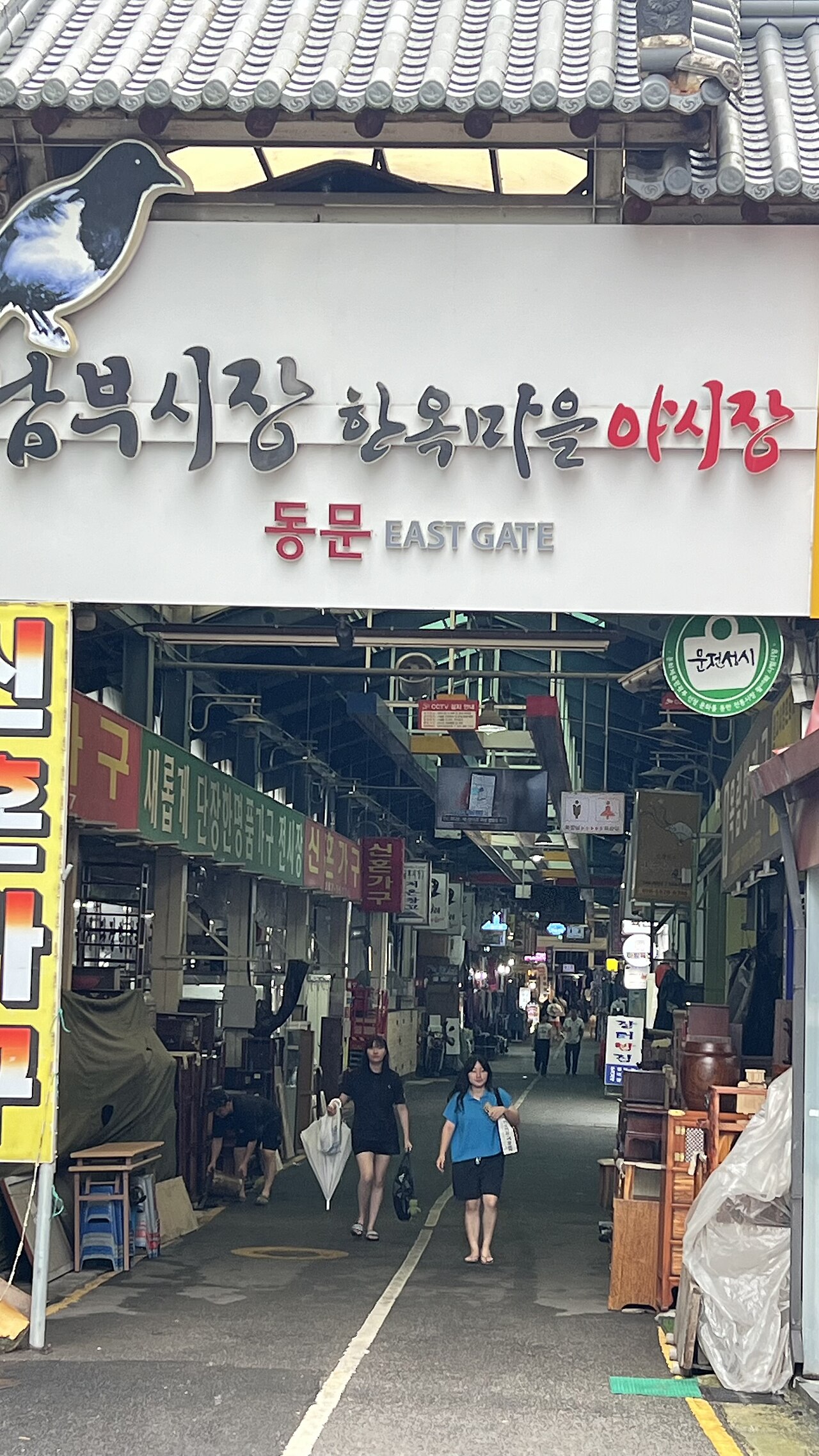
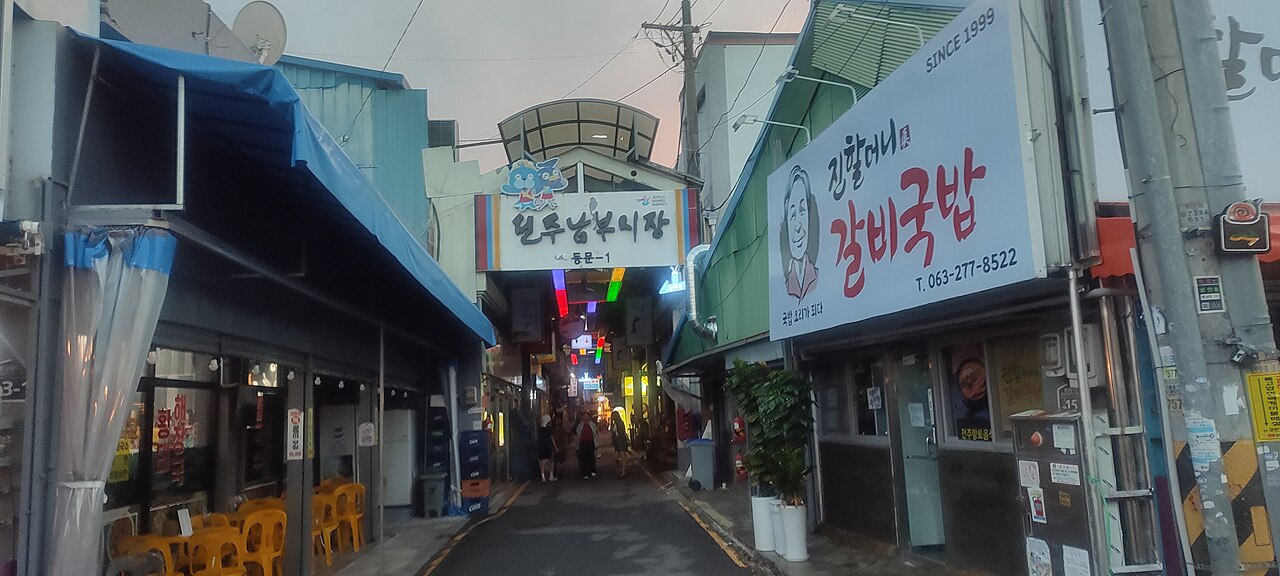
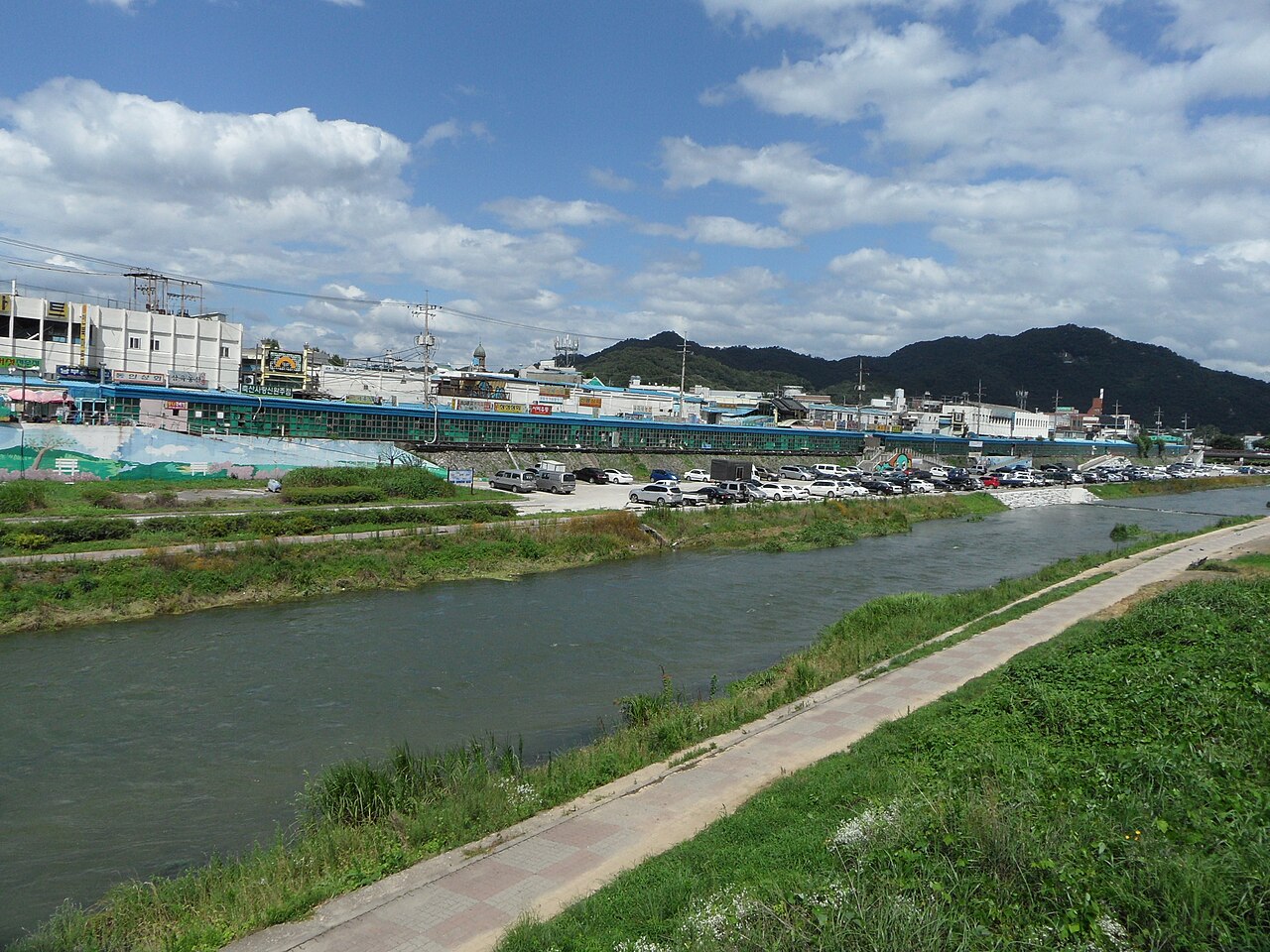
A representative traditional market in Jeonju since the Joseon Dynasty, famous for its 2nd-floor youth mall 'Cheongnyeon-damol' and the night market held every Friday and Saturday. It is a popular gourmet course for families and group travelers with various foods like blood sundae and bean sprout soup.
Gaekridan-gil (객리단길)
An emerging hotspot in Jeonju right next to the Hanok Village, where old cinema alleys have been reborn as a street of unique retro-style cafes and souvenir shops. You can leave behind different kinds of 'life shots' using interesting props in alleys where tradition and 'hipness' coexist.
Pungnammun Gate (풍남문)
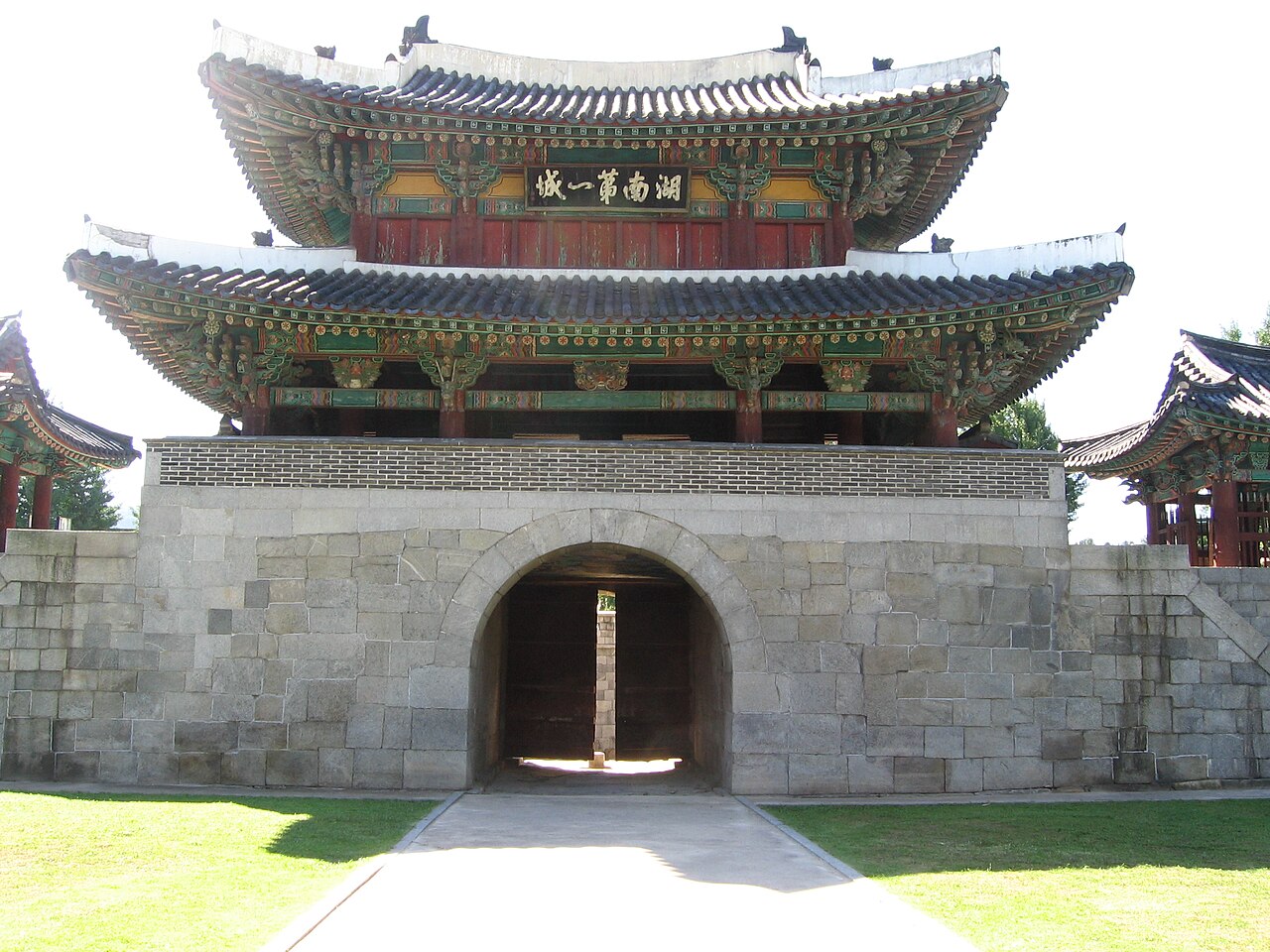
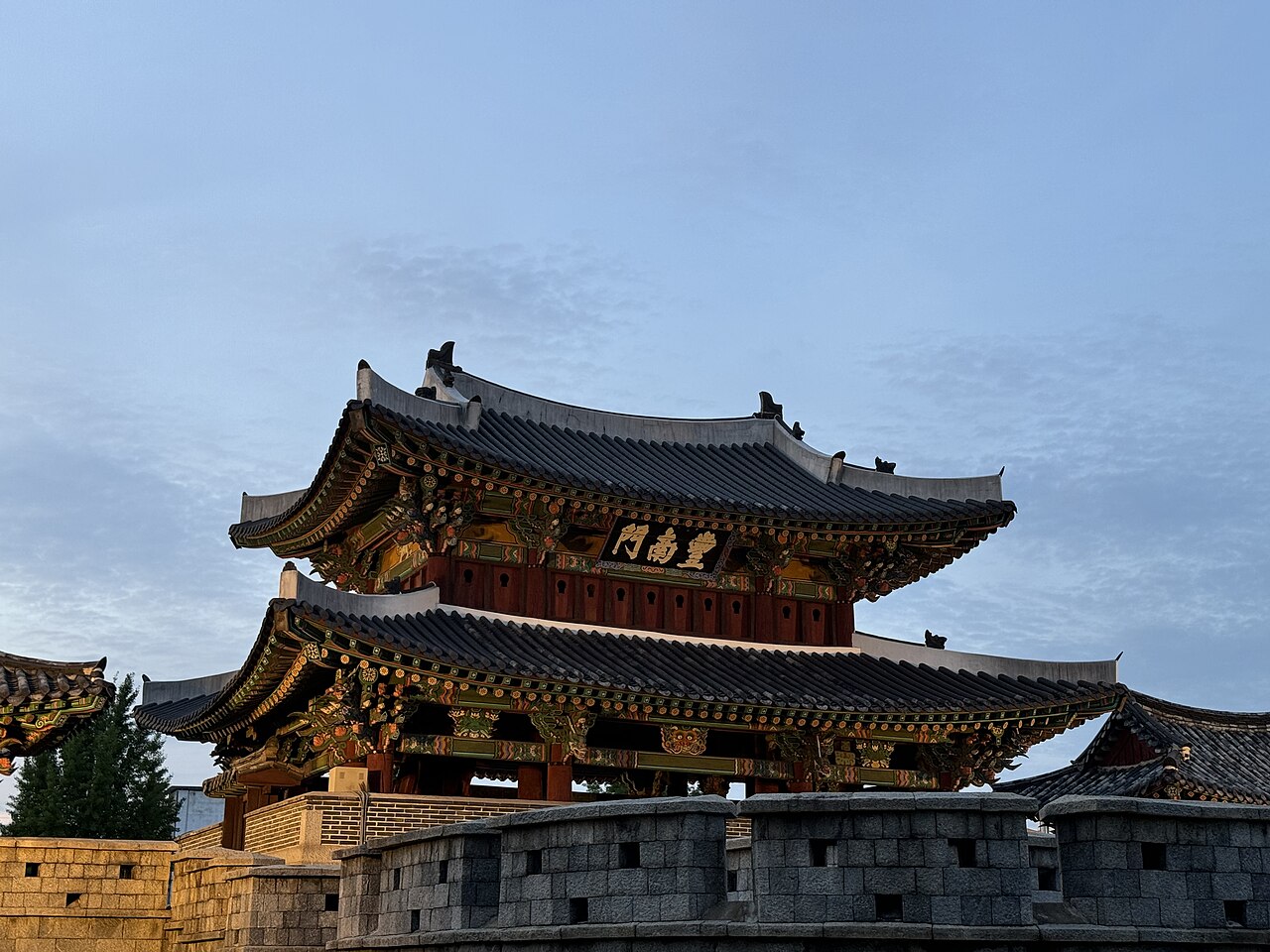
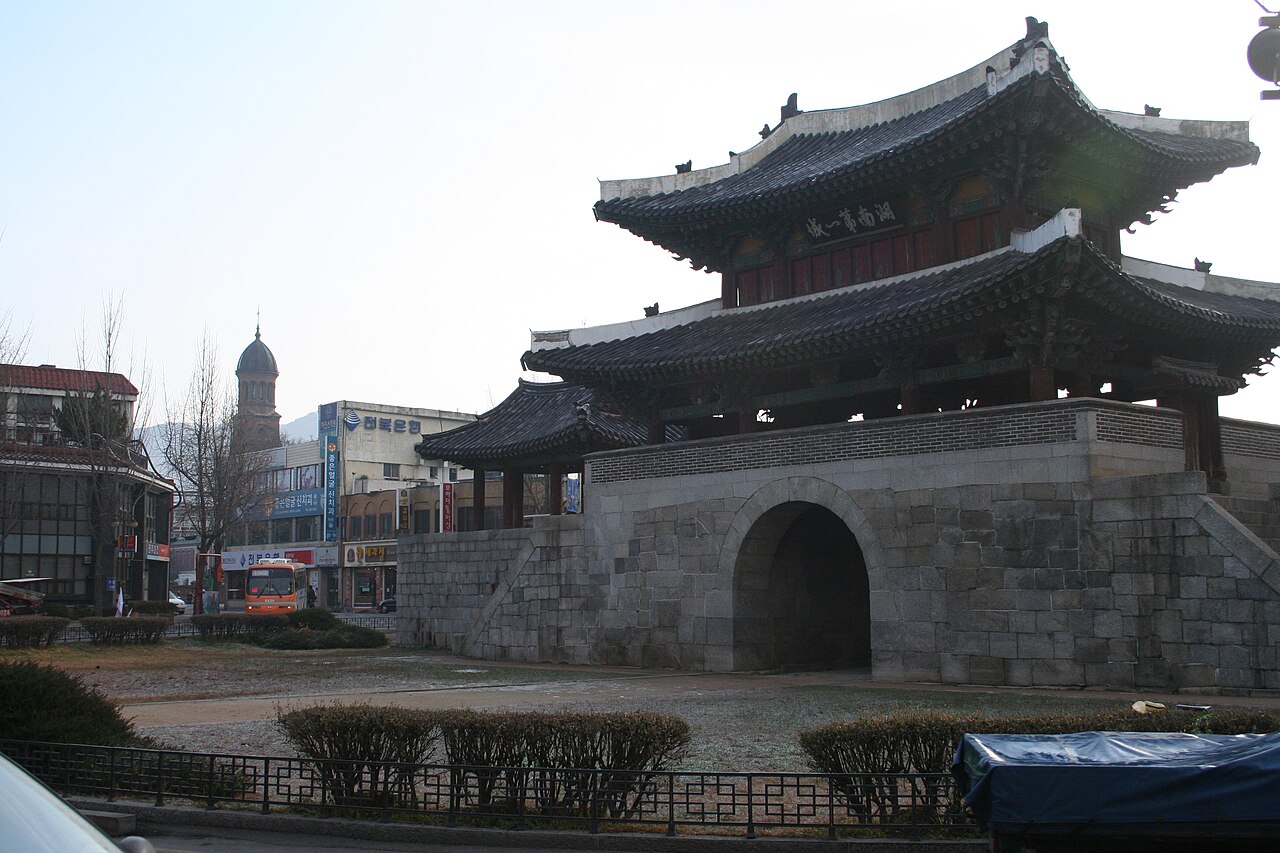
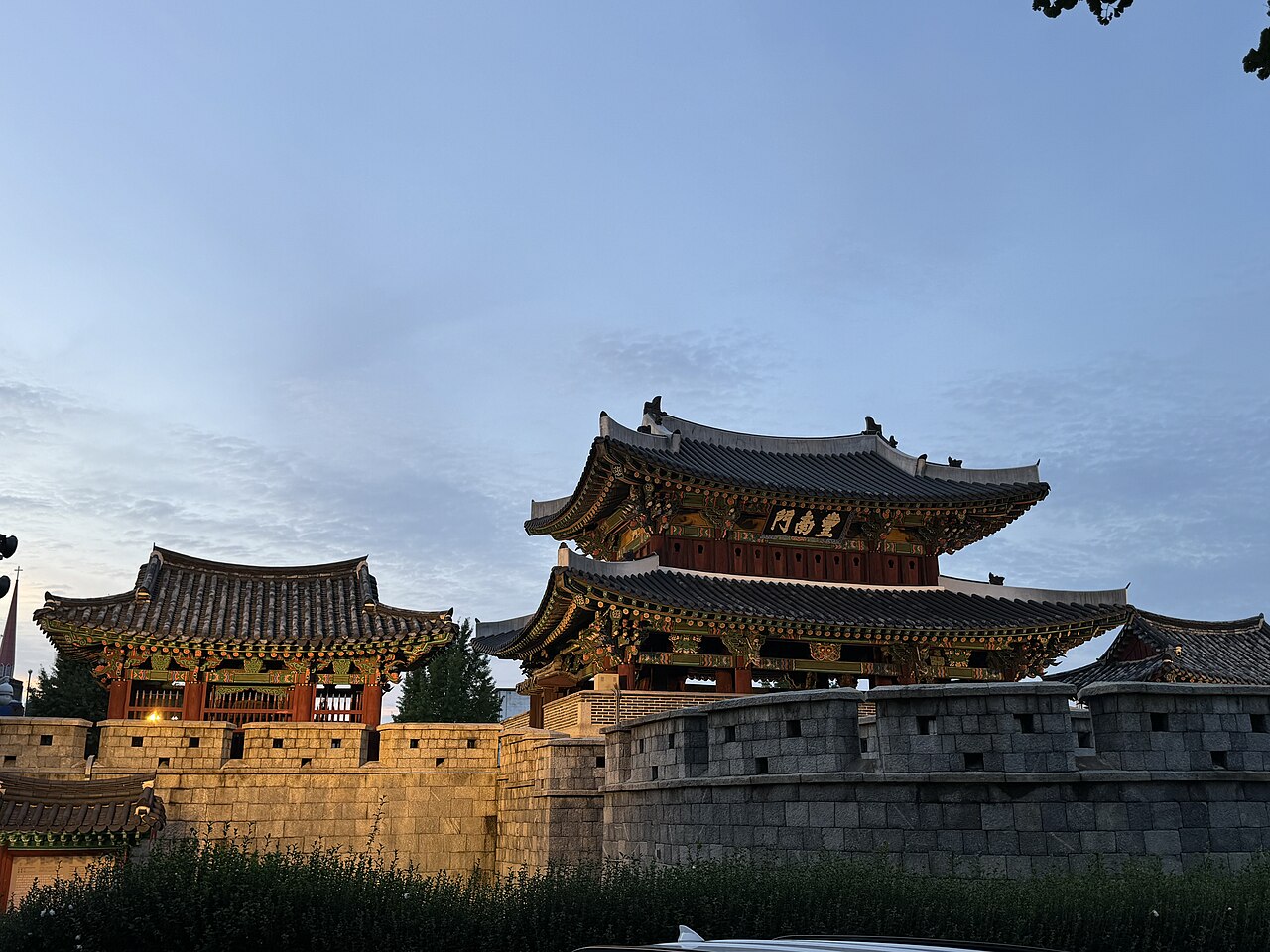
The only remaining south gate of the four gates of the Jeonju Eupseong fortress from the Joseon Dynasty. Rebuilt in 1768 and designated as Treasure No. 308 in 1963. It features a unique gatehouse structure where the 2nd floor is significantly narrower than the 1st. Located at the entrance of the Hanok Village, it is a popular night photo spot when illuminated.
Jeondong Cathedral (전동성당)
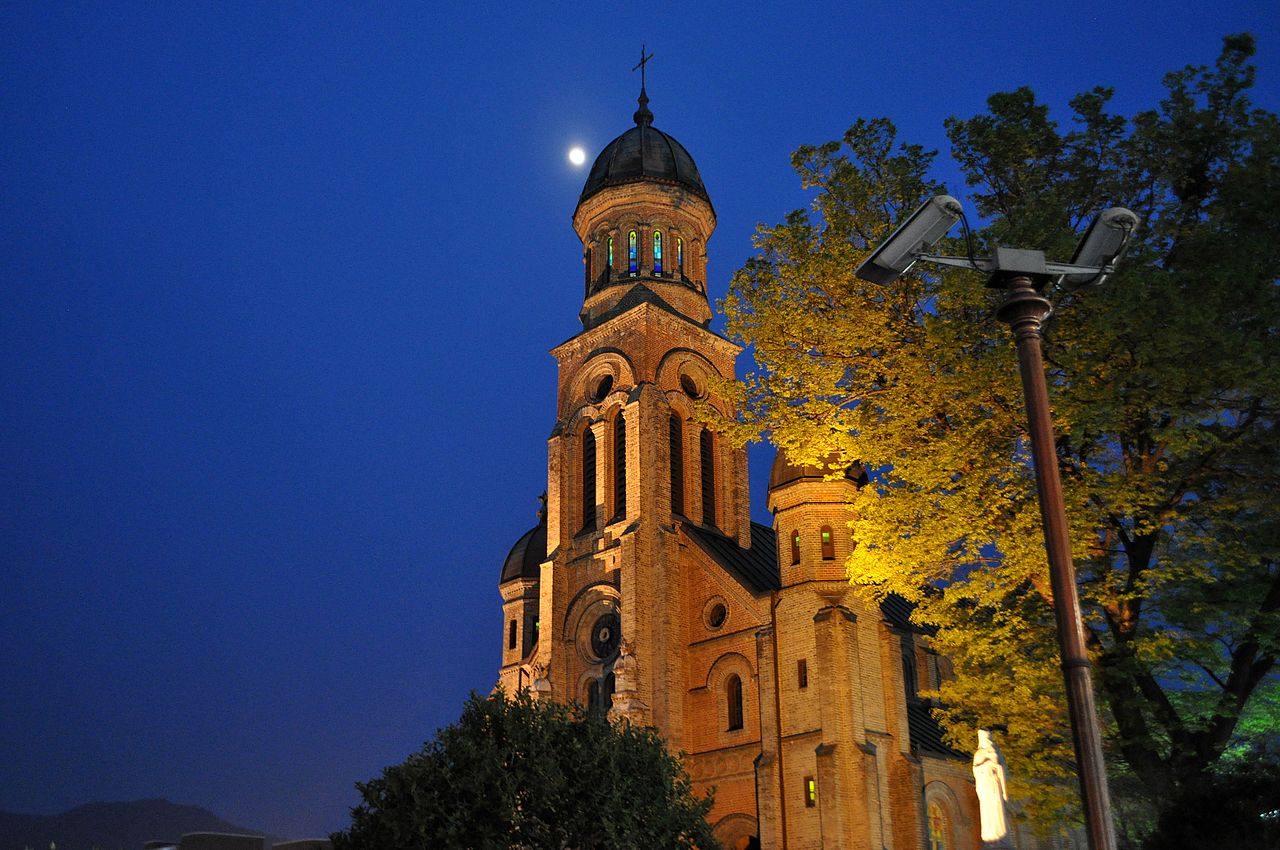
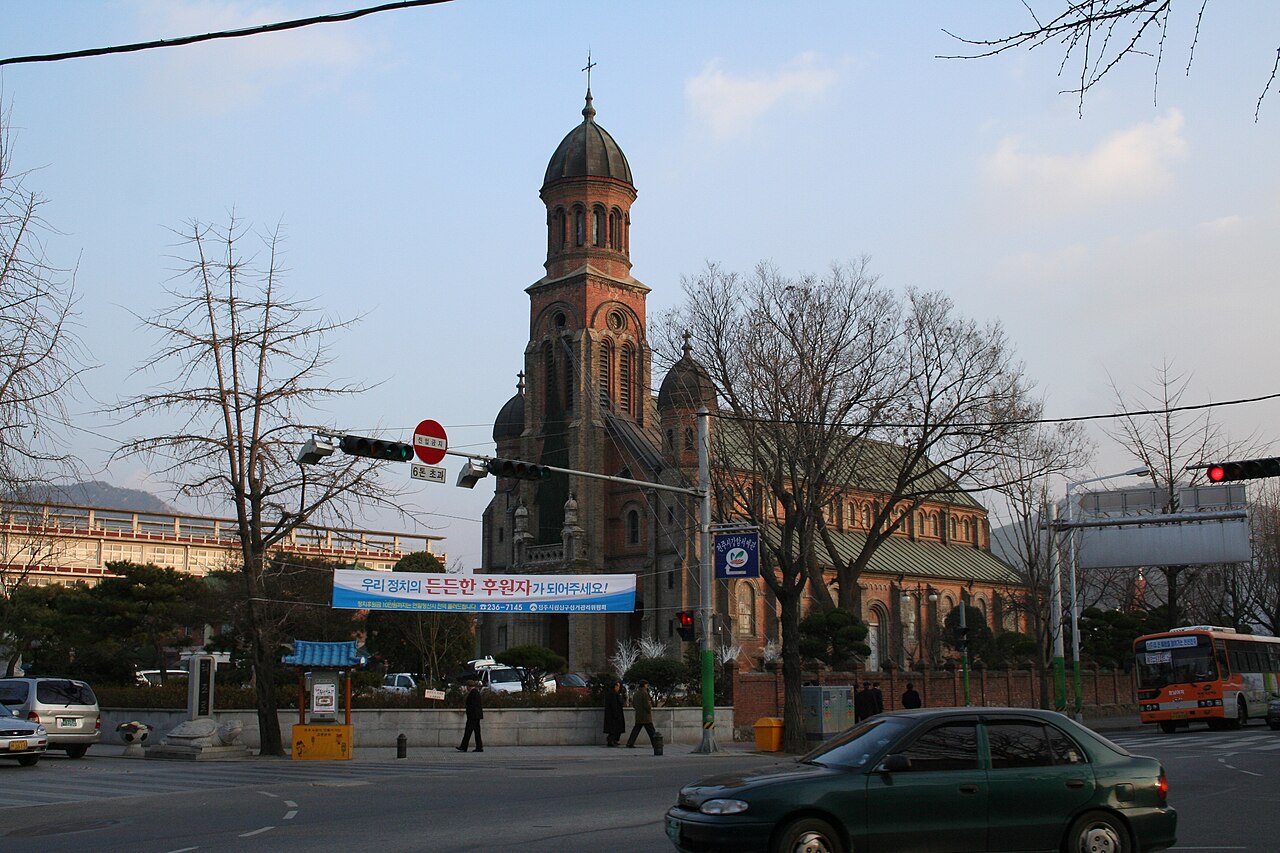
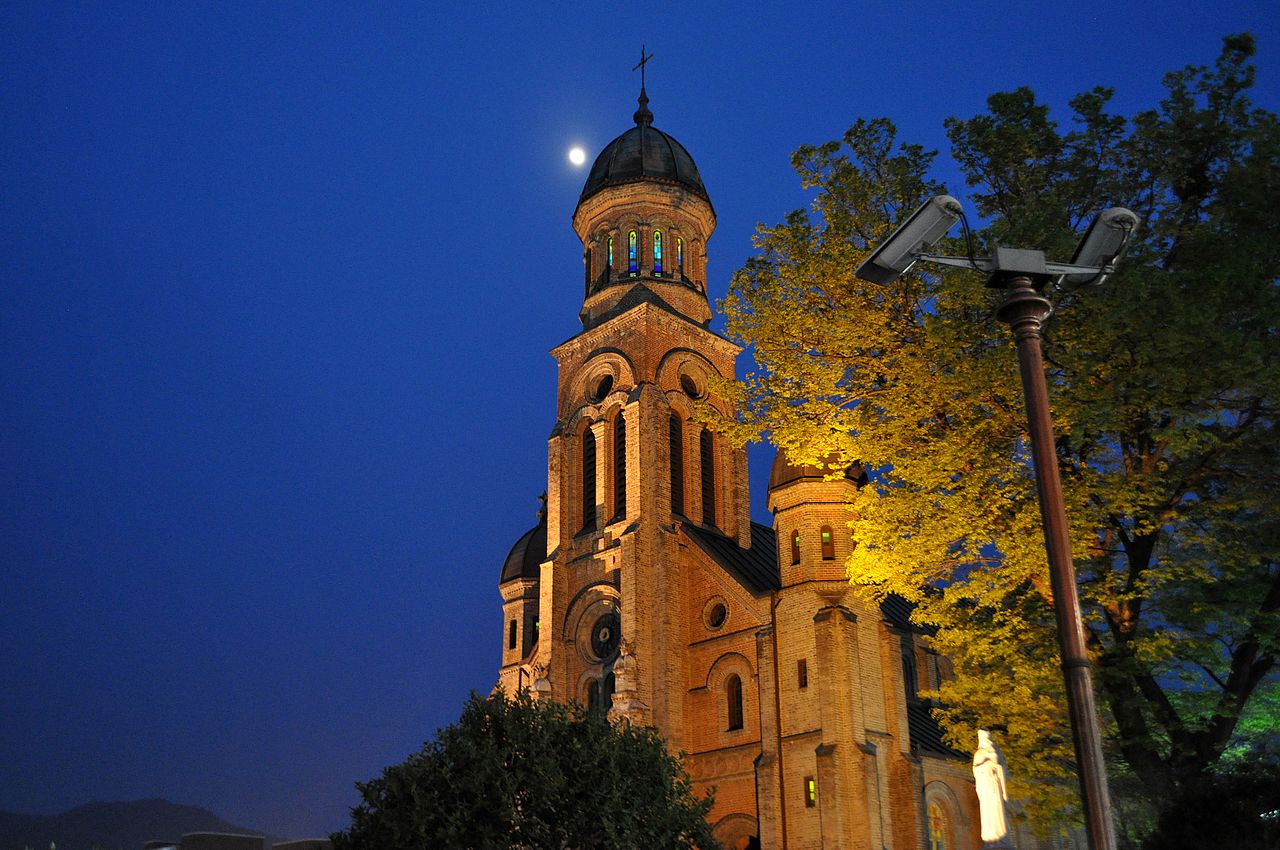
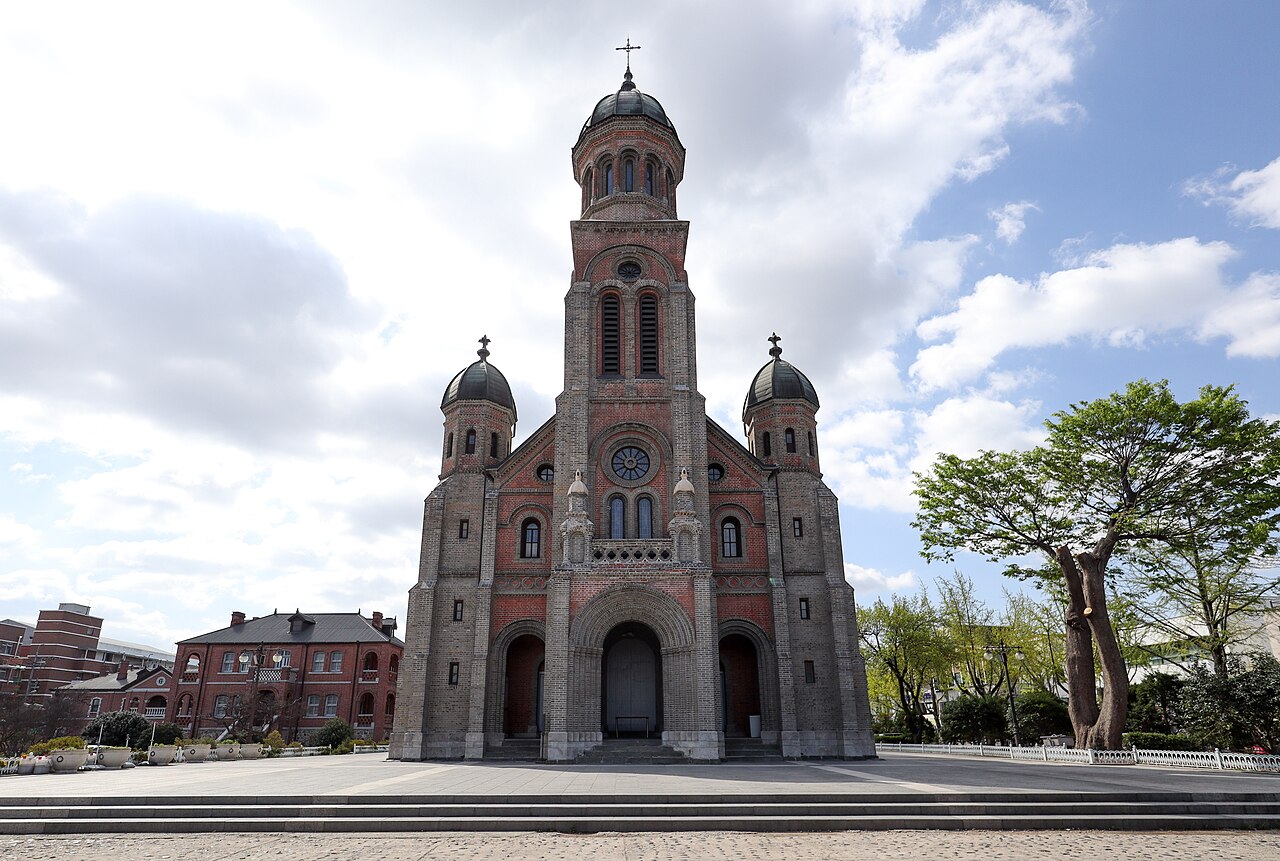
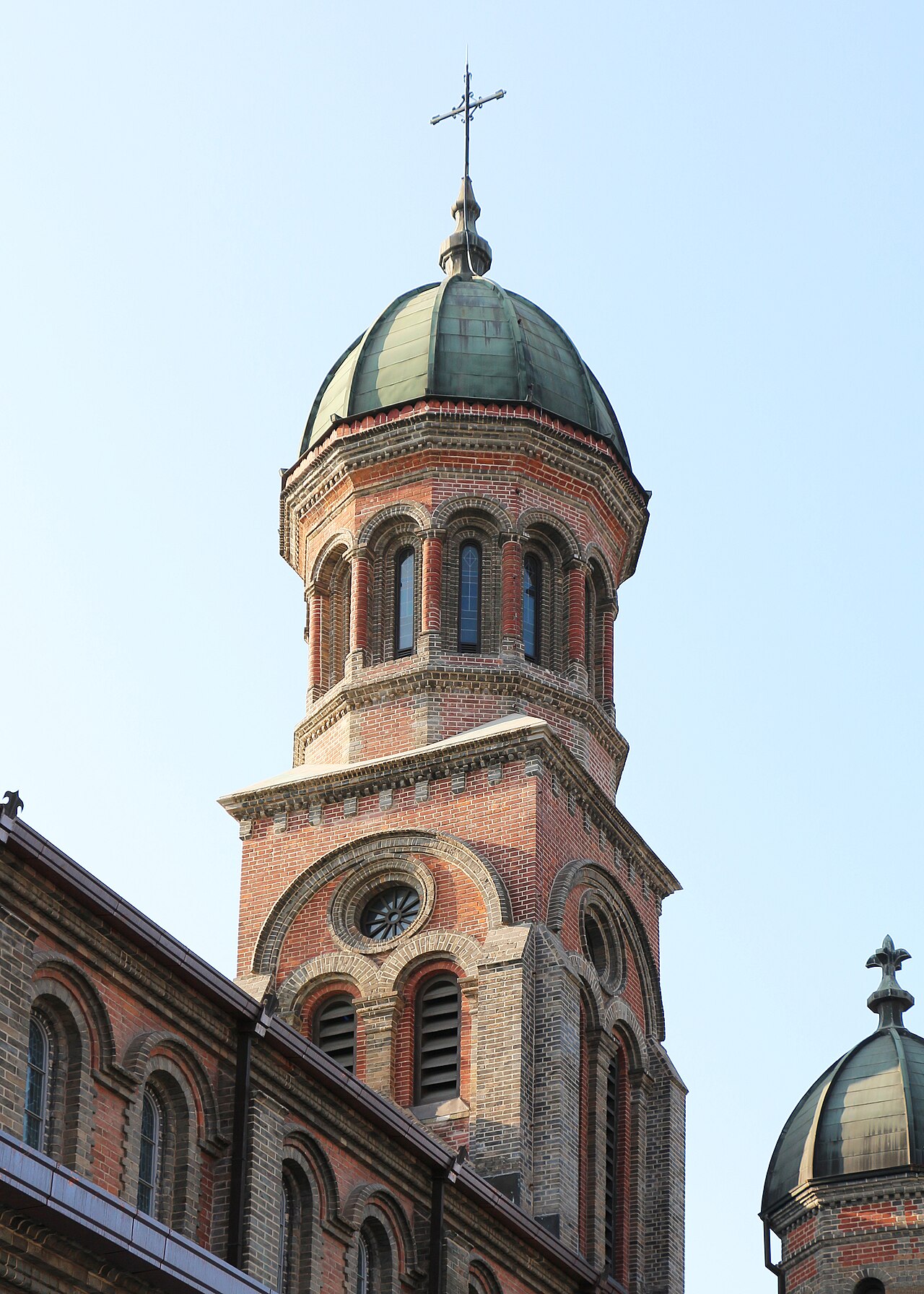
Honam's first Western-style cathedral completed in 1914, built on the site where Catholic martyrs were executed. Designed by Father Poinel (who designed Myeongdong Cathedral) in Romanesque and Byzantine styles. Famous as a filming location for movies like 'The Promise' and '1987.' Located right in front of the Hanok Village.
Omokdae (오목대)
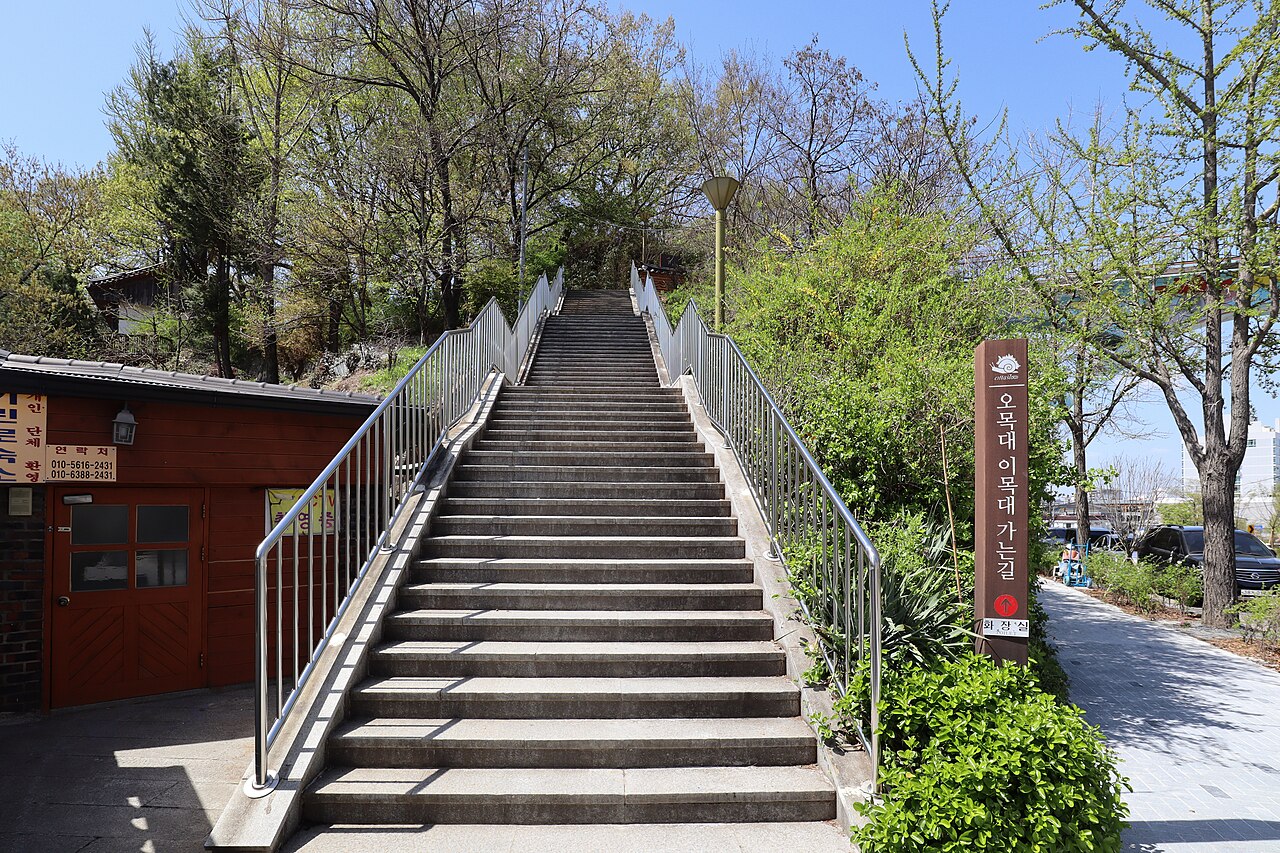
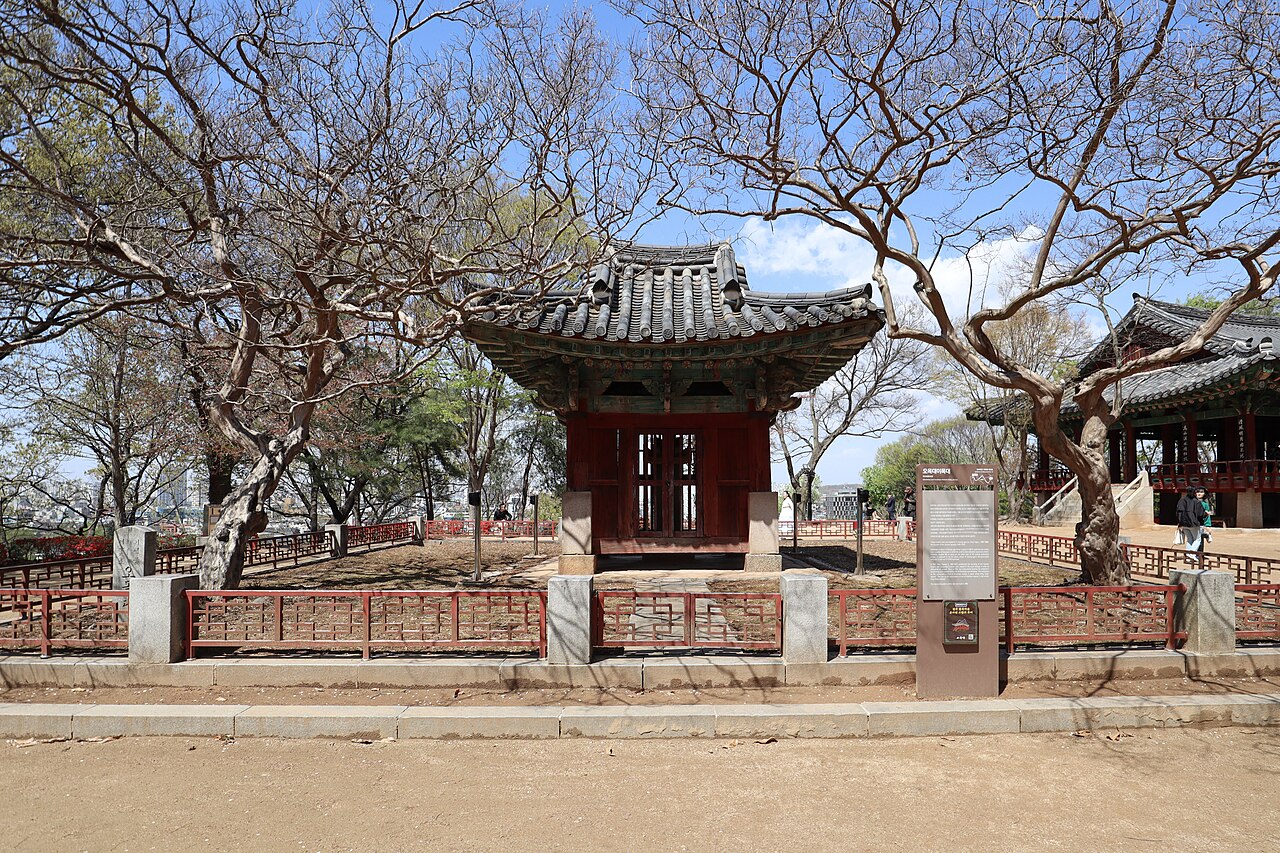
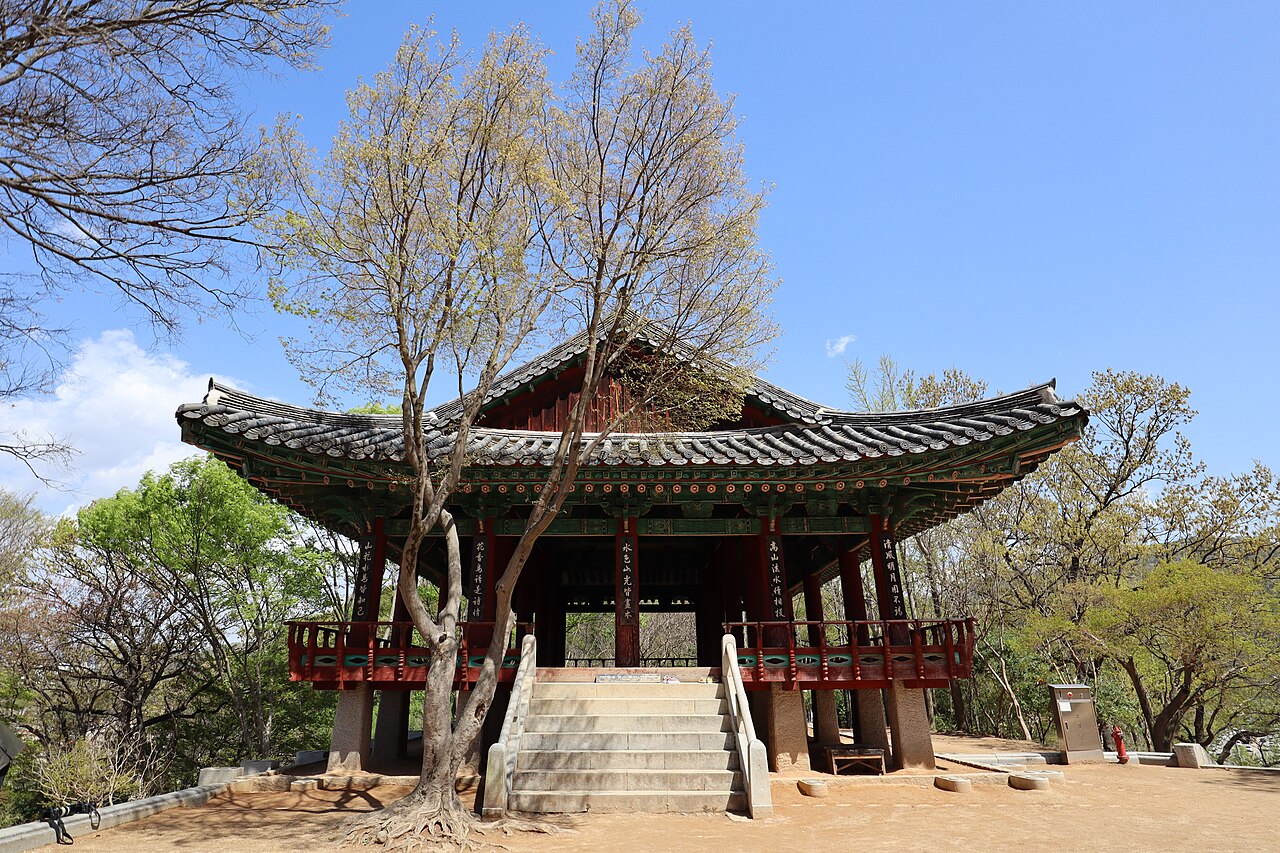
A pavilion where Yi Seong-gye celebrated victory over Japanese pirates at the end of the Goryeo Dynasty. Located on a small hill, it offers a panoramic view of the black-tiled roofs of Jeonju Hanok Village. The sunset view of the village from here is considered a highlight of Jeonju travel.